Central Asia’s carbonated soft drink (CSD) market is growing fast, but local bottlers face a distinct problem: high-altitude cities, hard water and hot summers all conspire against consistent carbonation. When a beverage start-up in Dushanbe, Tajikistan approached zoolinked mechanical, they wanted a CSD line that held its fizz from factory to shelf.
The answer was a 12,000 BPH carbonated soft drink line engineered around precise CO₂ control and stable syrup blending — delivered turnkey and commissioned in a single mobilisation.
At a Glance
Why Carbonation Fails — And How We Prevented It
Most fizz-loss complaints trace back to three root causes. We designed each out of the line:
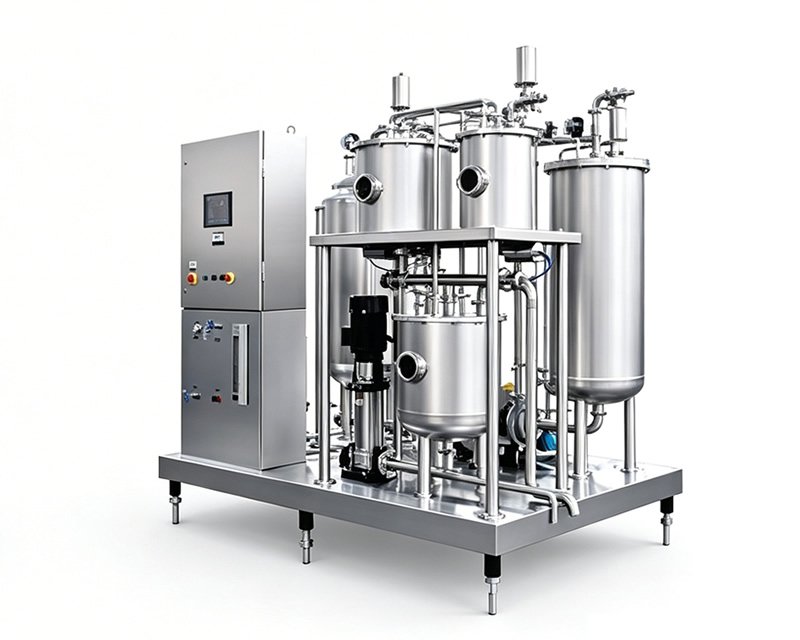
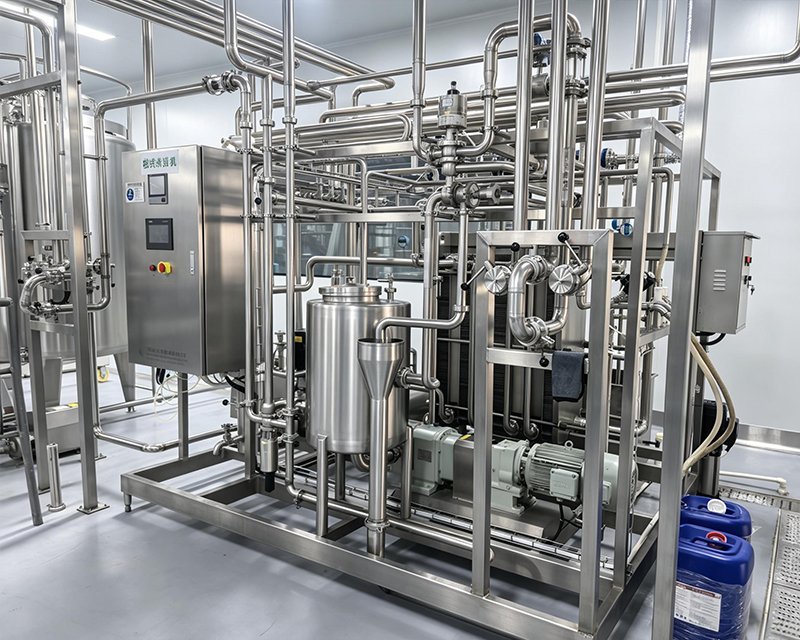
- Warm product at filling — CO₂ solubility drops with temperature, so we added a glycol pre-chiller keeping product at 4–6°C.
- Unstable syrup ratio — a powder-liquid mixer with mass-flow blending kept Brix within ±0.1.
- Dissolved air — water deaeration before carbonation prevented foaming and fill-height variance.
Process Flow
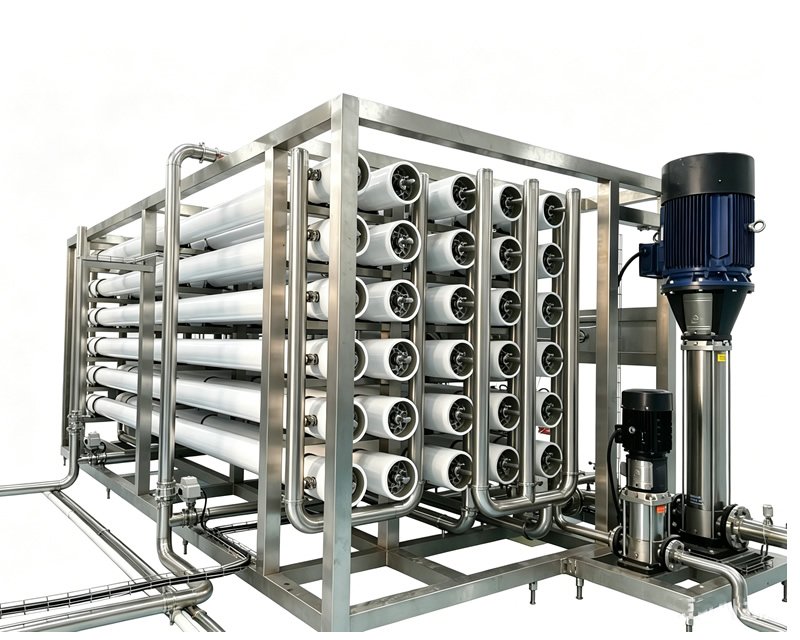
- RO water treatment to strip hardness and stabilise the carbonation base.
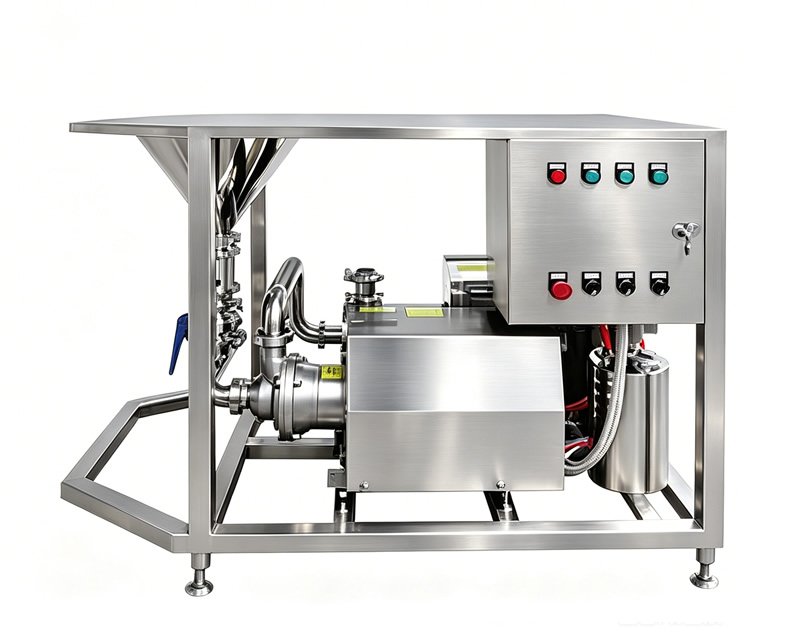
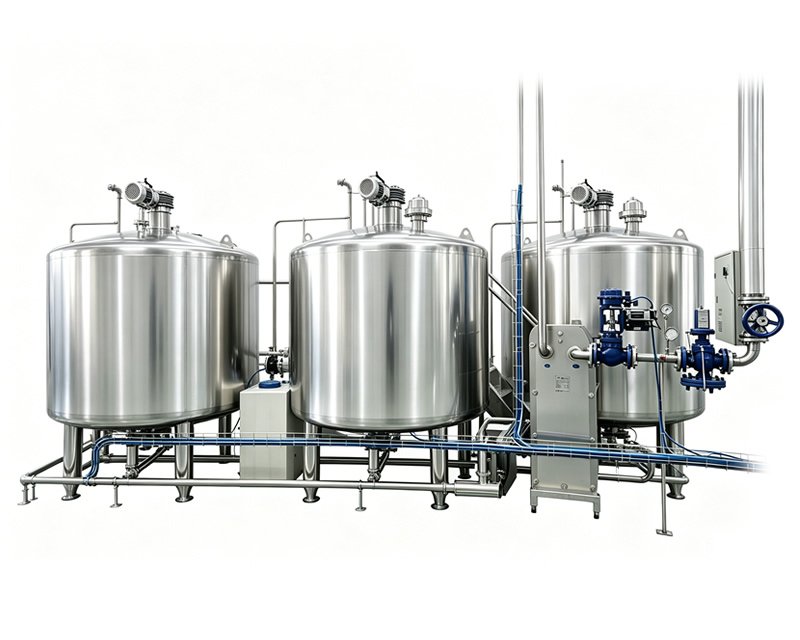
- Sugar dissolving + powder-liquid blending for repeatable syrup.
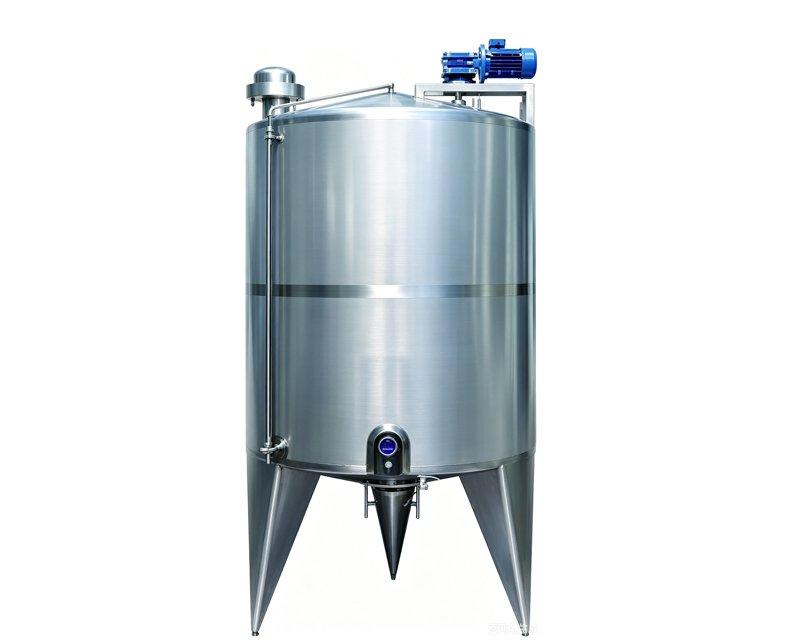
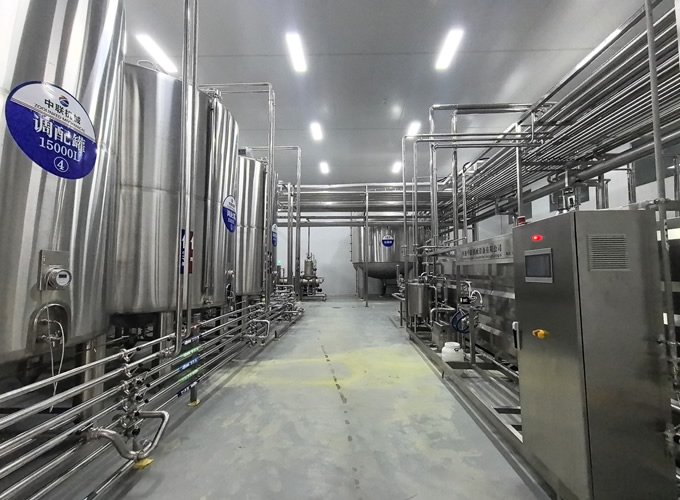
- Sanitary storage tanks for syrup and finished beverage.
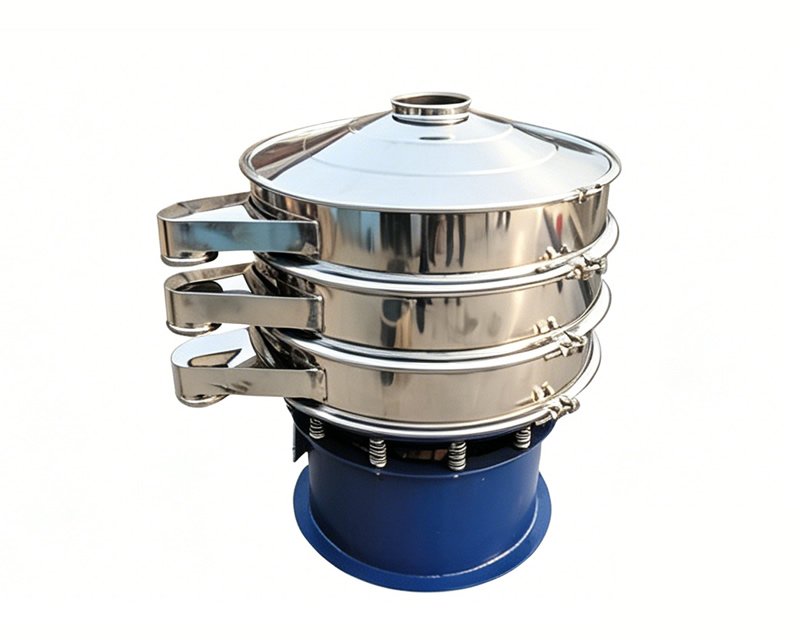
- Rotary vibrating screen filtration to polish the syrup.
- CO₂ carbonation (carbonated-water generator) — the heart of the line.
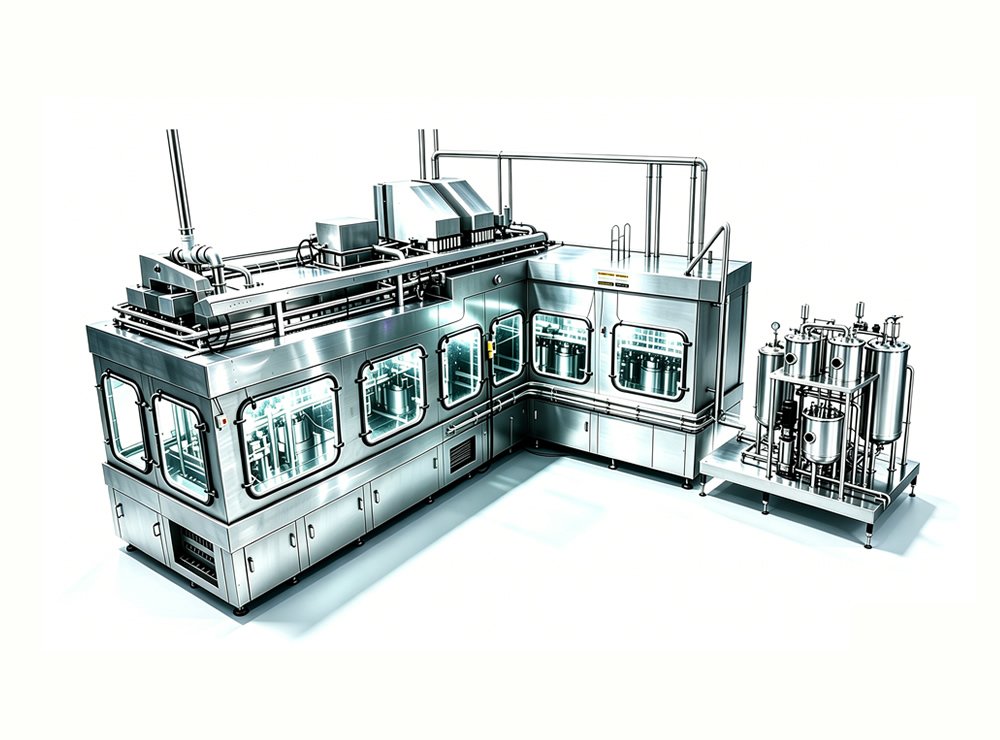
- Carbonated blow-fill-cap combi-block for counter-pressure filling.
- CIP cleaning for changeover between flavours.
Building a CSD or sparkling water line?
Equipment Configuration
Commissioning & Training
Installation and wet testing took 16 working days. Operators were trained on CO₂ volume checks, isobaric filler set-up and flavour-changeover CIP — the three skills that keep a CSD line profitable.
Results & ROI
Conclusion
Stable carbonation is an engineering outcome, not luck. By controlling temperature, syrup ratio and dissolved air, this Dushanbe line delivers shelf-stable fizz in a demanding high-altitude, hard-water environment.
Want a carbonation line that holds its fizz?