When a well-established distributor in Dakar, Senegal decided to move from trading imported water to producing locally, they needed a partner who could deliver more than machinery. West Africa’s coastal humidity, fluctuating grid power and a market split between premium bottled water and low-cost sachet (“pure water”) demanded a line engineered for reality, not a catalogue.
This is how zoolinked mechanical designed, built and commissioned a dual-format turnkey water plant — producing both 500 ml PET bottles and 500 ml sachet water on complementary lines — helping the client capture two price tiers from a single facility.
Project Overview
Project Background & Client Requirements
The client already controlled distribution channels but had zero in-house production experience. Their brief was practical and commercial:
- Serve two market tiers — branded bottled water for retail/HORECA and affordable sachet water for street sales.
- Cope with an unstable grid and frequent voltage sag without damaging pumps or PLCs.
- Keep the plant operable by a locally trained team with no prior line experience.
- Meet WHO drinking-water quality and Senegalese labelling requirements.
- Allow future expansion to 5-gallon jars without re-engineering the utility backbone.
Raw Water Analysis
Before sizing the treatment train, our engineers analysed both the municipal supply and the backup borehole. The borehole showed elevated hardness and iron — a common West African challenge that pushes untreated membranes to fail early.
Turnkey Solution & Process Flow
We specified a robust two-pass-ready treatment backbone feeding two independent filling formats. The process flow was designed so that a power dip on the sachet side never contaminates or starves the bottled side.
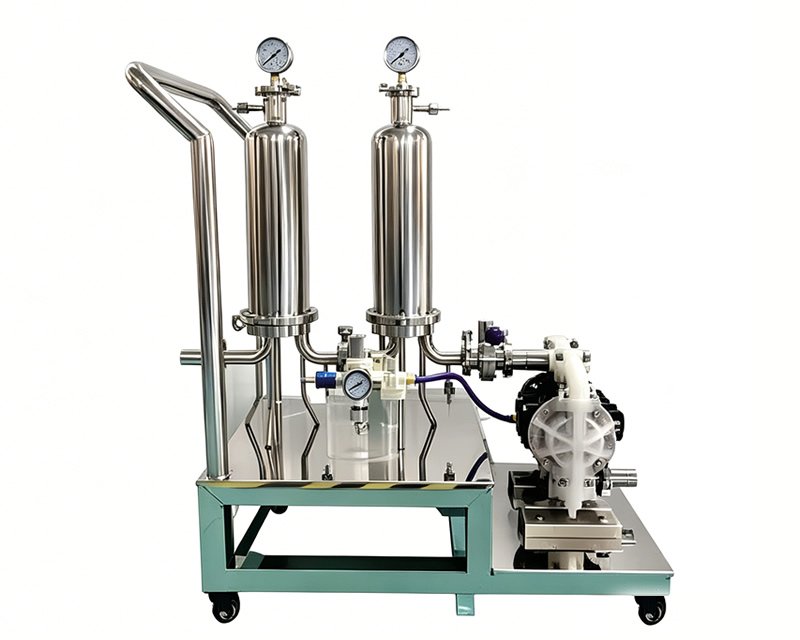
- Multi-media + iron removal pre-treatment to protect membranes from the borehole load.
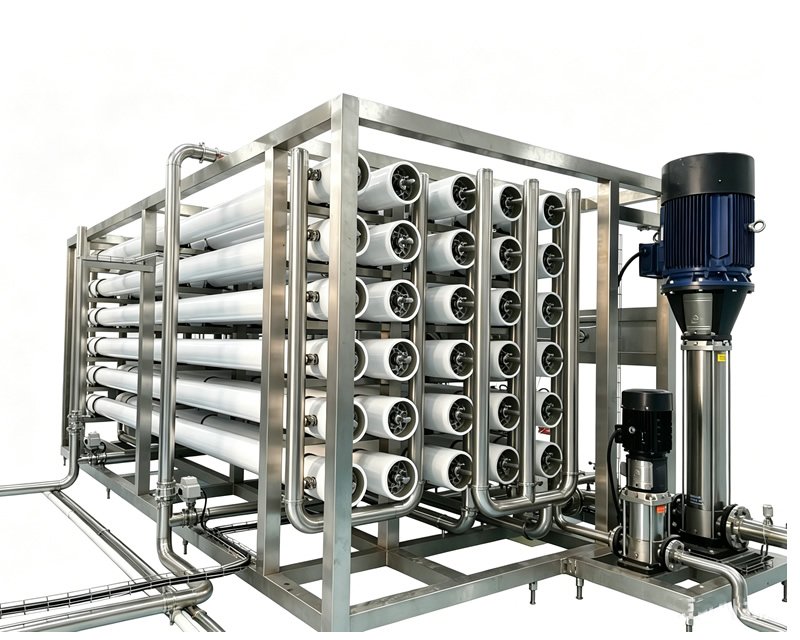
- Reverse osmosis (RO) water treatment — the heart of the line — reducing TDS below 50 mg/L.
- Ozone + UV sterilisation in the storage loop for microbiological safety.
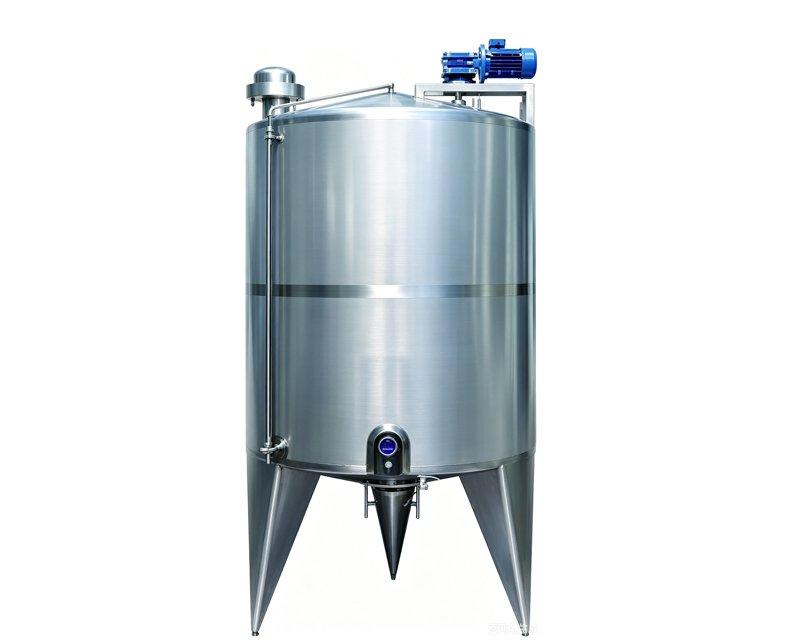
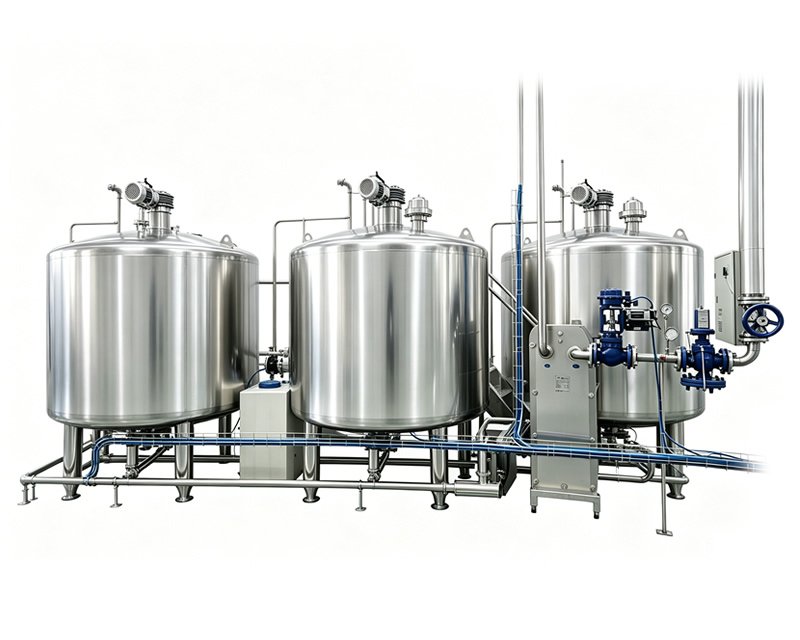
- Sanitary storage tanks buffering treated water for both filling formats.
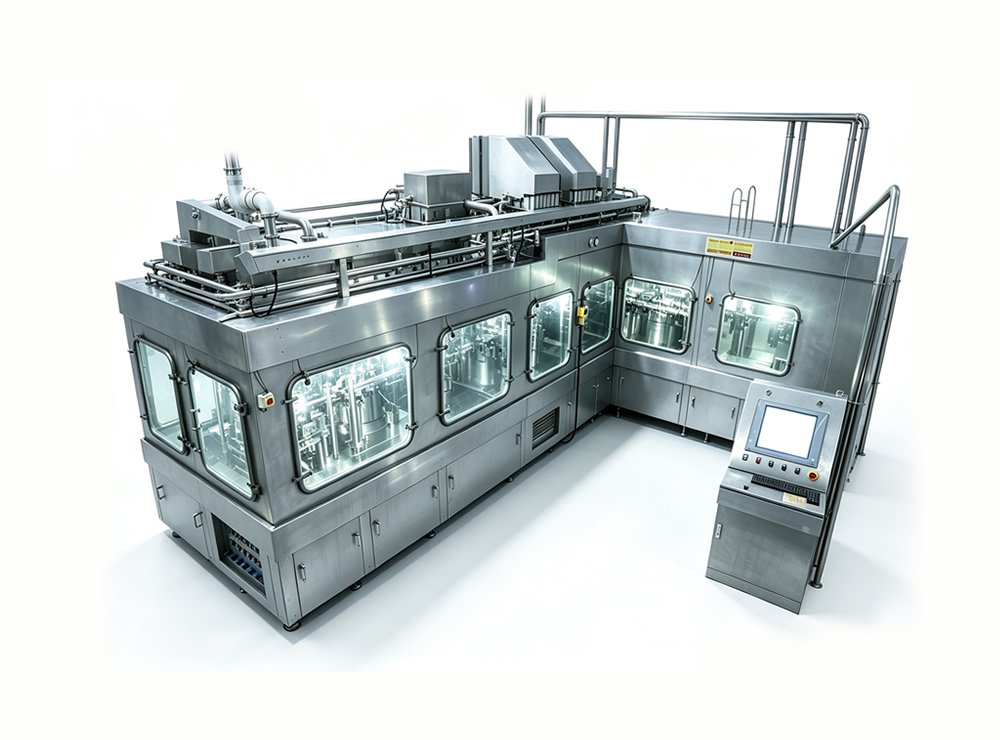
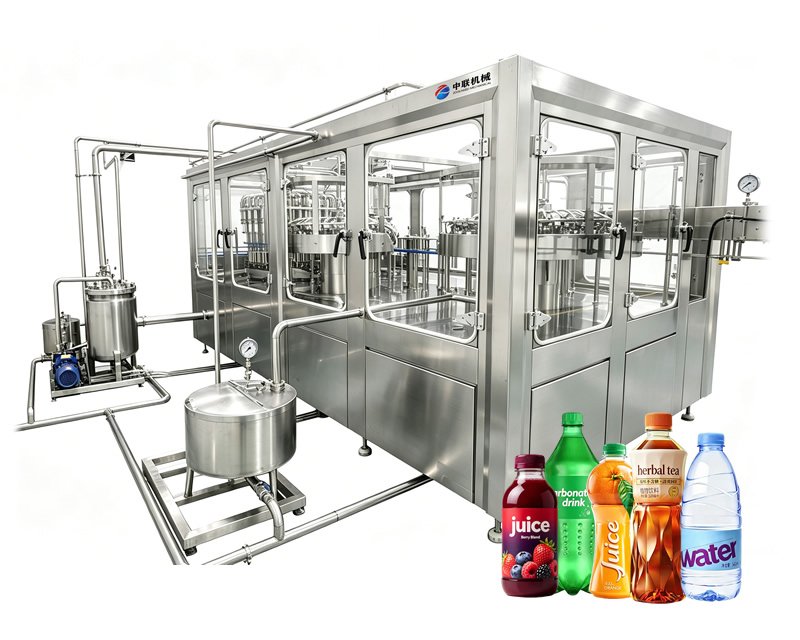
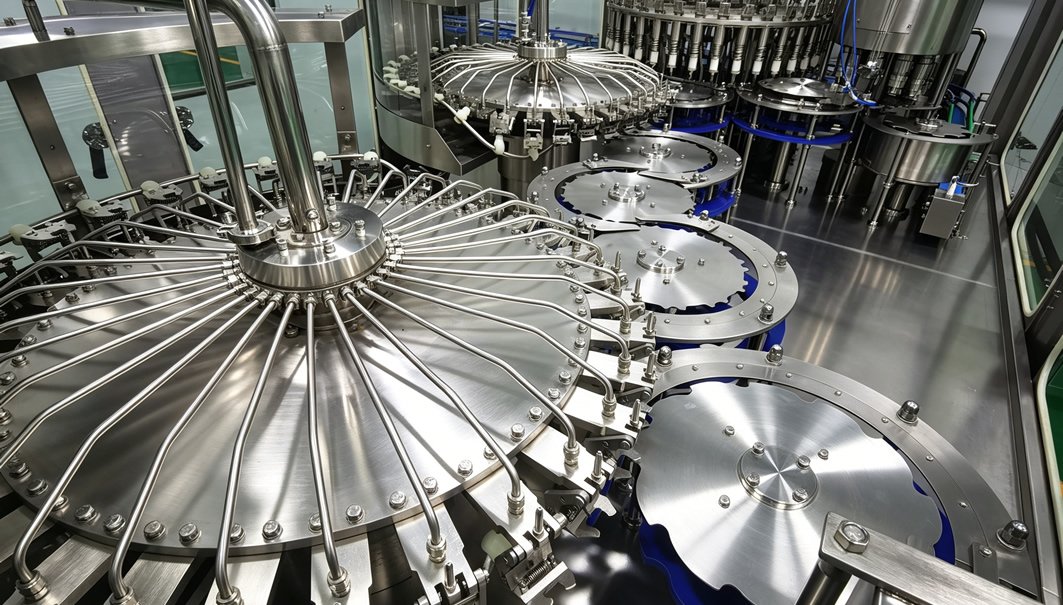
- PET bottle blowing → rinsing-filling-capping combi-block for the 10,000 BPH bottled line.
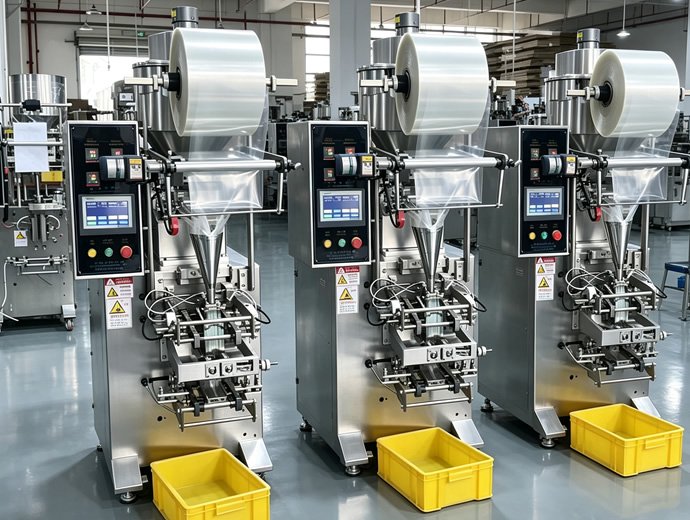
- Automatic sachet filling machines (2 units) for high-volume “pure water”.
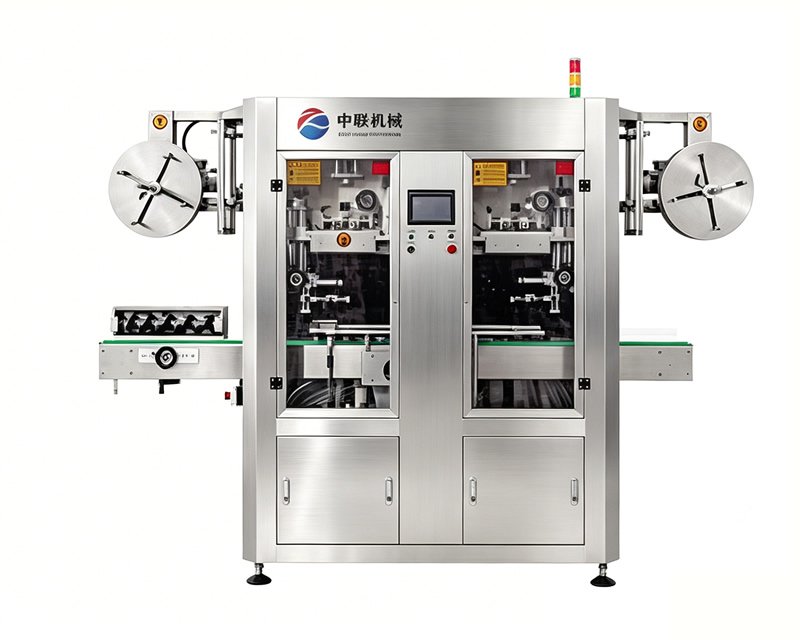
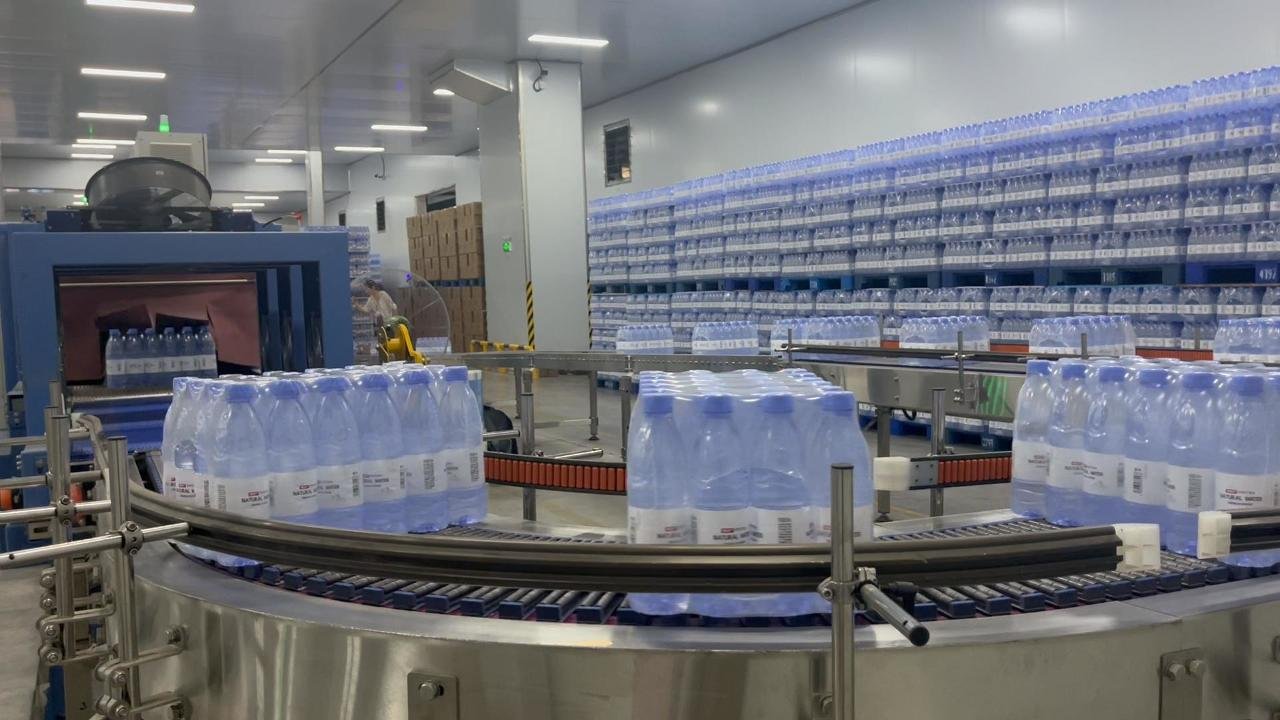
- Shrink-sleeve labelling + film shrink packing for retail-ready bottled product.
- CIP cleaning across tanks and fillers to guarantee repeatable hygiene.
Planning a similar dual-format water plant?
Equipment Configuration
Installation, Commissioning & Operator Training
Our field team completed mechanical installation and utility hook-up in 12 days, followed by 6 days of wet commissioning. A structured operator training programme covered daily start-up, RO membrane care, CIP cycles and basic fault diagnosis — delivered in French to match the local workforce.
“We started as distributors with no factory experience. Within three weeks we were filling our own branded water — the training made the difference.” — Plant Manager, Dakar
Results & ROI
By serving two price tiers from one facility, the client diversified revenue and buffered against seasonal demand swings — sachet volume carries the rainy season while bottled water leads in the dry, tourist-heavy months.
Conclusion
This Senegal project shows why packaged drinking water success in West Africa is about engineering for local conditions — water chemistry, power quality and workforce skills — not just nominal bottle-per-hour ratings. As a turnkey partner, zoolinked mechanical delivered a plant the client could actually run and grow.
Ready to build your own bottled or sachet water plant?