Introduction
For entrepreneurs and factory owners in Central Asia, Africa, Southeast Asia and South America, packaged drinking water remains one of the most accessible and profitable beverage businesses to enter. Yet the difference between a line that runs profitably for years and one that struggles often comes down to how the turnkey project is planned. This technical guide outlines the key considerations for building a complete packaged drinking water production line in emerging markets.
1. Start From Your Water Source, Not the Machine
The single most common mistake is choosing filling equipment before analyzing the raw water. Borehole, municipal and surface water each demand different pretreatment. A proper water source analysis (TDS, hardness, turbidity, microbiology) defines the entire treatment train and protects your investment downstream.
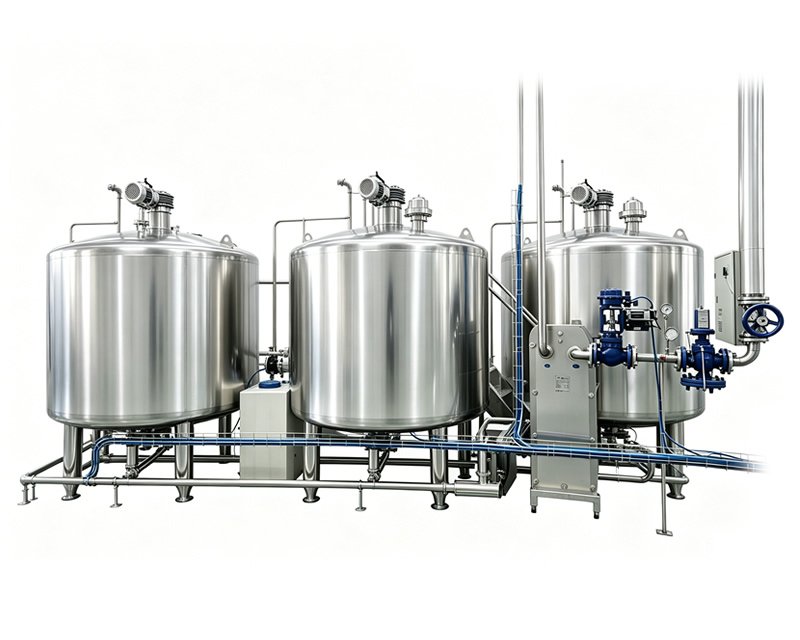
2. Right-Size the Water Treatment
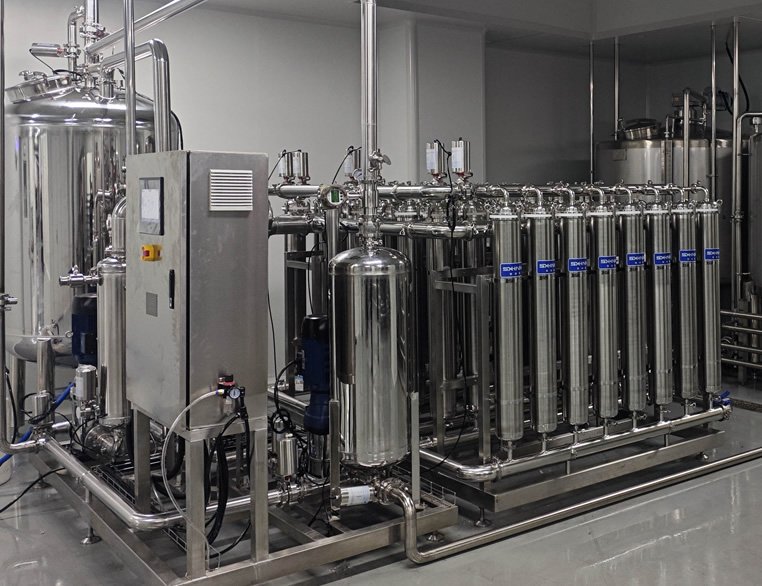
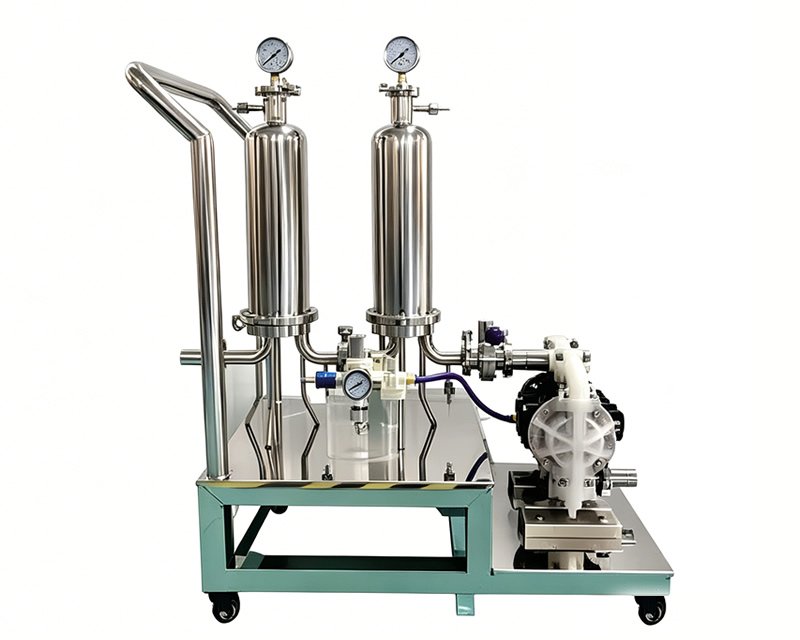
- Pretreatment: Multimedia and activated carbon filtration to remove sediment, chlorine and odor.
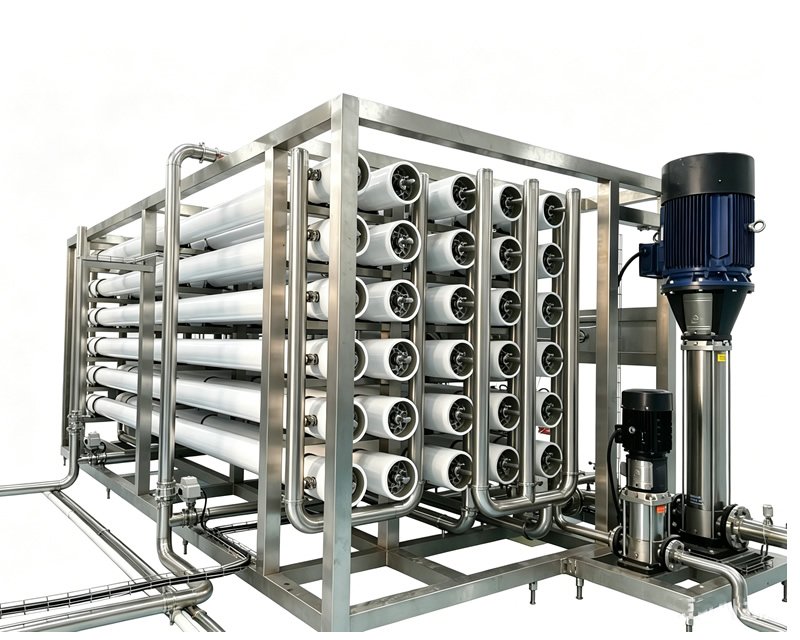
- Reverse Osmosis (RO): The core of stable, safe drinking water — sized with margin for seasonal source changes.
- Disinfection: UV and ozone systems to ensure microbiological safety without altering taste.
3. Match Filling Technology to Your Product
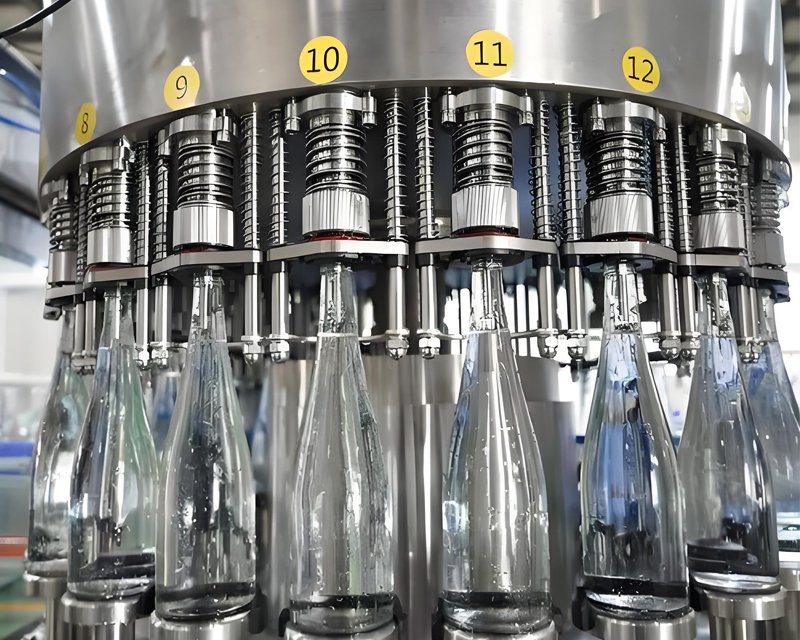
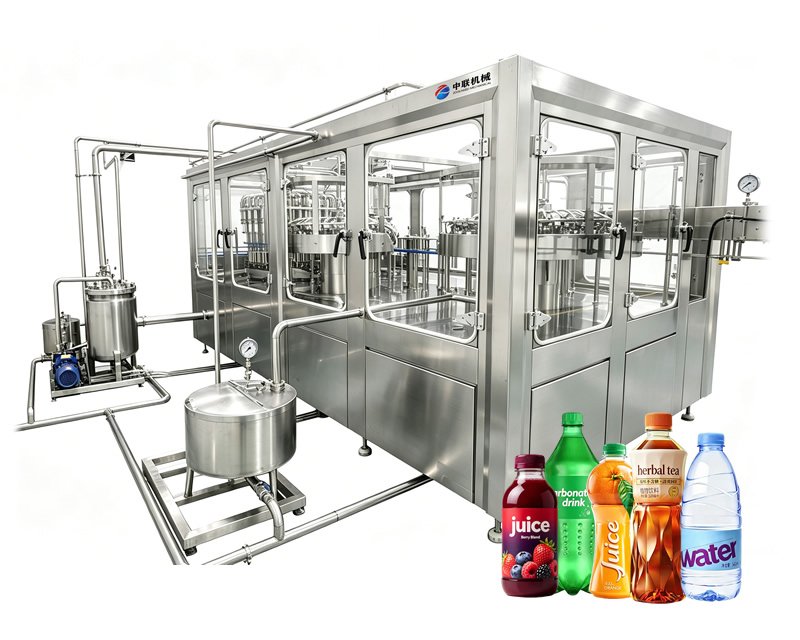
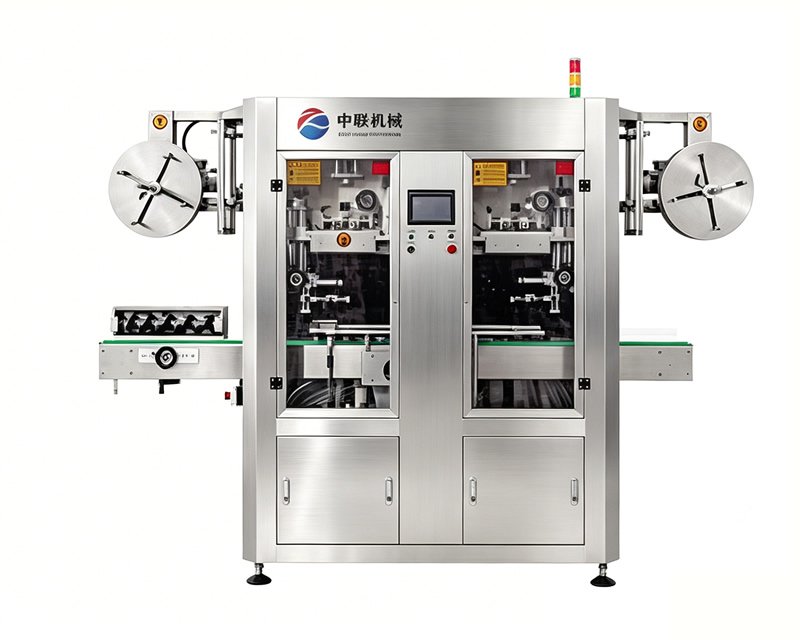
Still water lines typically use a 3-in-1 washing-filling-capping monobloc for PET bottles, while 5-gallon (barreled) water requires a dedicated barrel line. Choosing the correct configuration from the start avoids costly retrofits later.
4. Plan for Local Realities
| Local Factor | Design Response |
|---|---|
| Unstable power | Electrical protection, buffering, and simplified controls |
| Limited skilled labor | High automation + on-site operator training |
| Spare-parts logistics | Common components + recommended spares kit |
| Future growth | Modular layout leaving room for capacity expansion |
5. Insist on Full After-Sales Support
A turnkey partner should deliver more than machines: process design, installation, commissioning, operator training and responsive remote support. This is what keeps a line productive long after start-up.
Conclusion
A successful packaged drinking water project in an emerging market is built on sound engineering, not just equipment. By starting from the water source, right-sizing treatment, matching filling technology and planning for local conditions, investors can launch a line that is safe, efficient and ready to scale.