Building a bottled water plant is one of the most attractive manufacturing investments in Central Asia today. Rapid urbanization, rising disposable income and persistent concerns about tap-water quality across Kazakhstan, Uzbekistan, Tajikistan and neighboring markets have created steady, year-round demand for safe packaged drinking water. Yet many first-time investors underestimate what a truly turnkey project involves. This guide walks you through the entire journey — from feasibility study to full production — so you can plan with confidence.
1. Why Central Asia Is a Strong Market for Packaged Water
Across the region, bottled and sachet water consumption keeps climbing while local bottling capacity lags behind demand. Much branded water is still imported, leaving room for homegrown producers who can offer fresher stock, lower logistics costs and locally relevant pricing. For an investor, that gap is the opportunity: a well-run local plant can undercut imports while building a trusted regional brand.
Key demand drivers include hot continental summers, growing retail and HoReCa channels, expanding tourism, and government attention to drinking-water safety. These factors make demand resilient rather than seasonal fashion.
2. Feasibility Study: Get the Numbers Right First
Before buying a single machine, validate the business case:
- Water source analysis — borehole, municipal or spring water each requires different treatment. A full chemical and microbiological lab report is non-negotiable.
- Target formats — 500 ml and 1.5 L PET for retail, 19 L barrels for offices and homes, or low-cost sachets for mass markets.
- Capacity planning — right-size your line to real demand. Over-buying capacity ties up capital; under-buying limits growth.
- Regulatory path — local health certification, labeling law and, where relevant, halal certification.
3. Water Treatment: The Heart of Quality
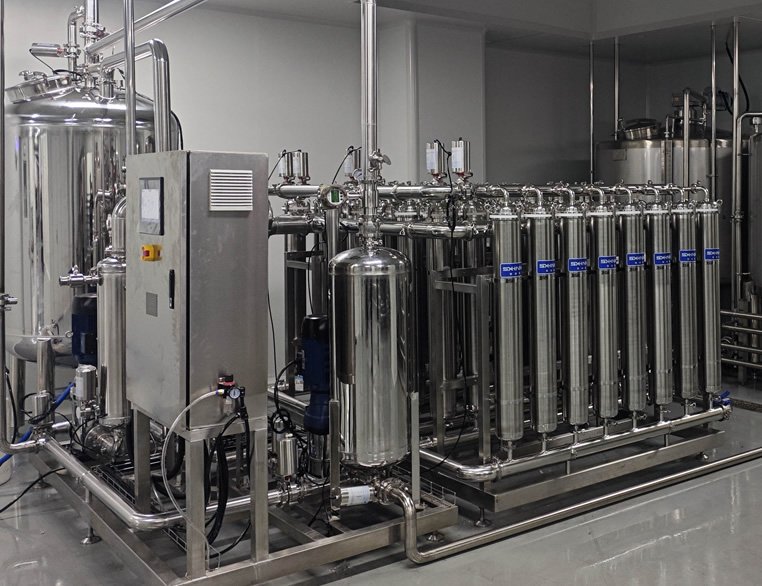
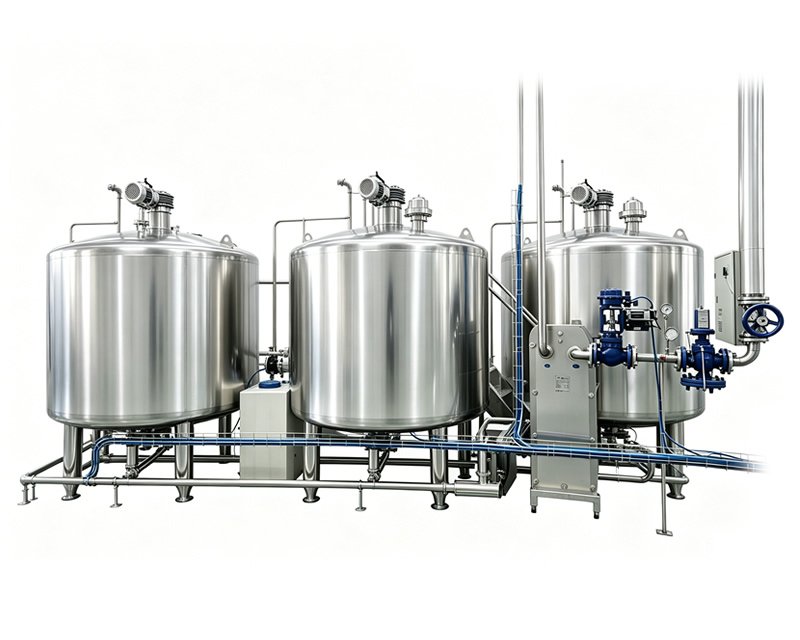
No filling line can compensate for poor water treatment. A robust system typically includes:
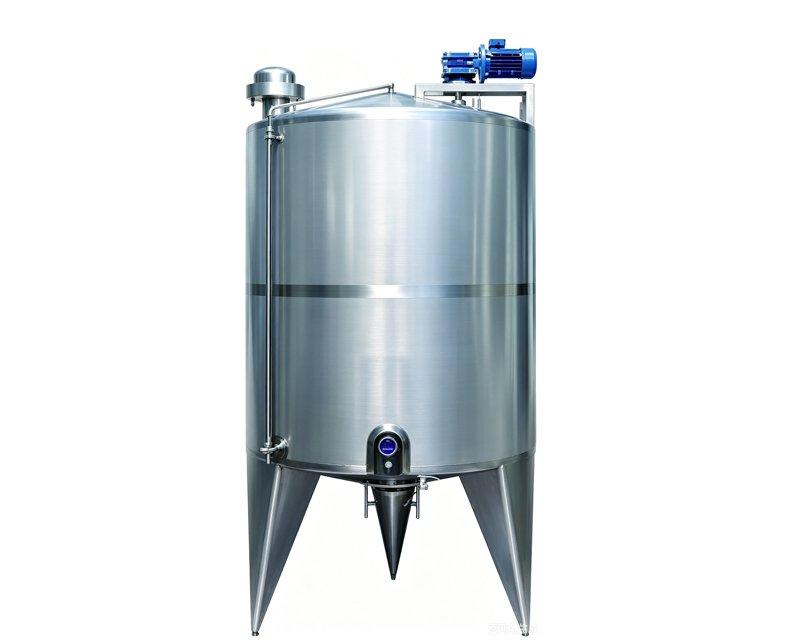
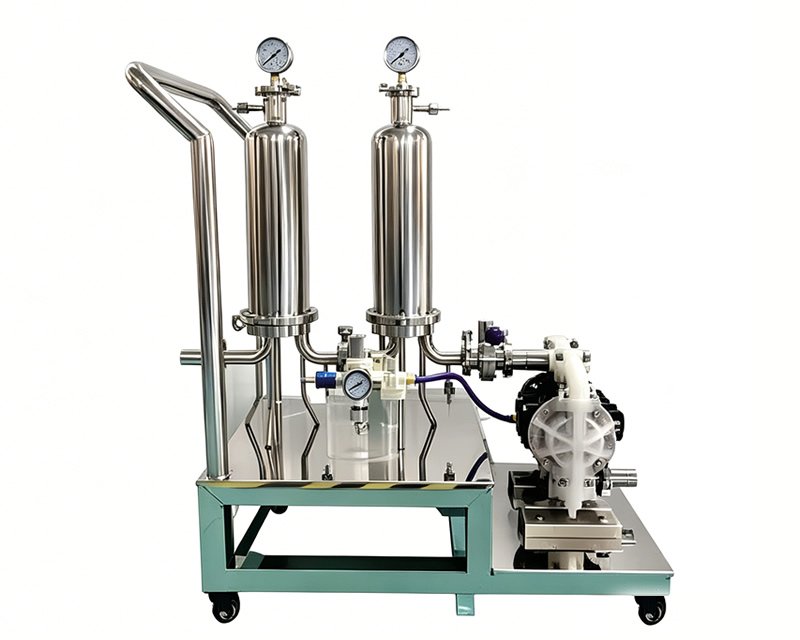
- Raw water tank and multimedia (sand) filtration to remove suspended solids
- Activated carbon filtration to remove chlorine, odor and organic matter
- Water softening or dosing to manage hardness and scaling
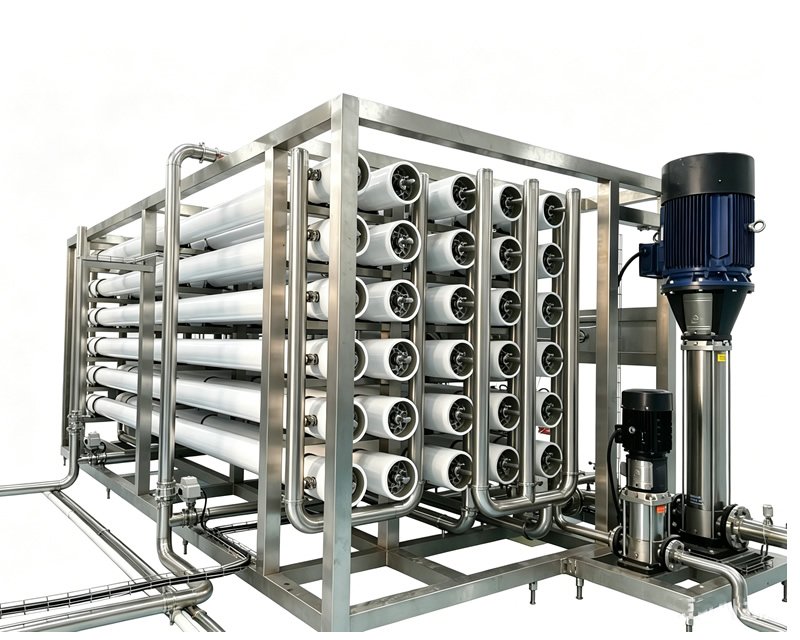
- Reverse osmosis (RO) for precise removal of dissolved salts
- Remineralization when producing “mineral” or “drinking” water with a target taste profile
- Final disinfection with ozone and/or UV to guarantee microbiological safety
For mineral water, treatment is tuned to preserve beneficial minerals rather than strip everything out. Getting this balance right defines your brand’s taste signature.
4. Choosing Your Filling Technology
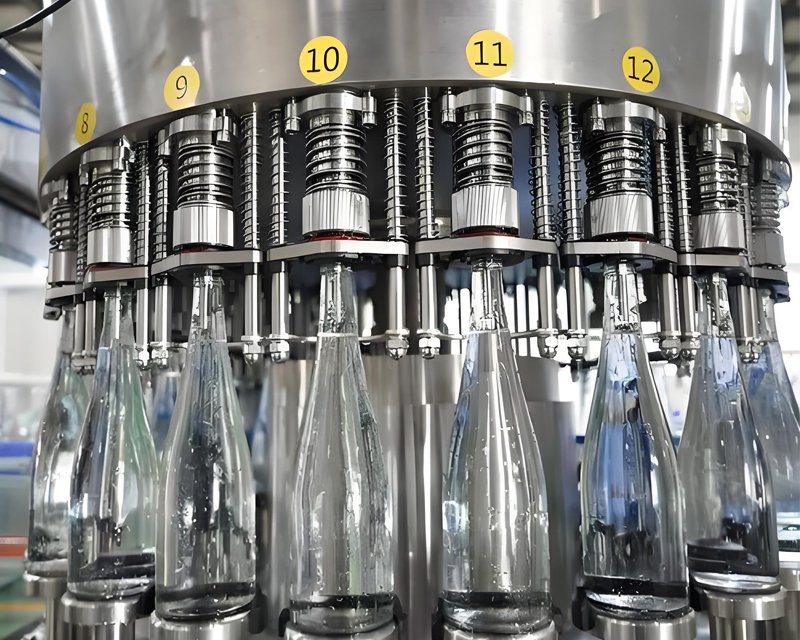
The filling block is where hygiene and speed meet. Common configurations:
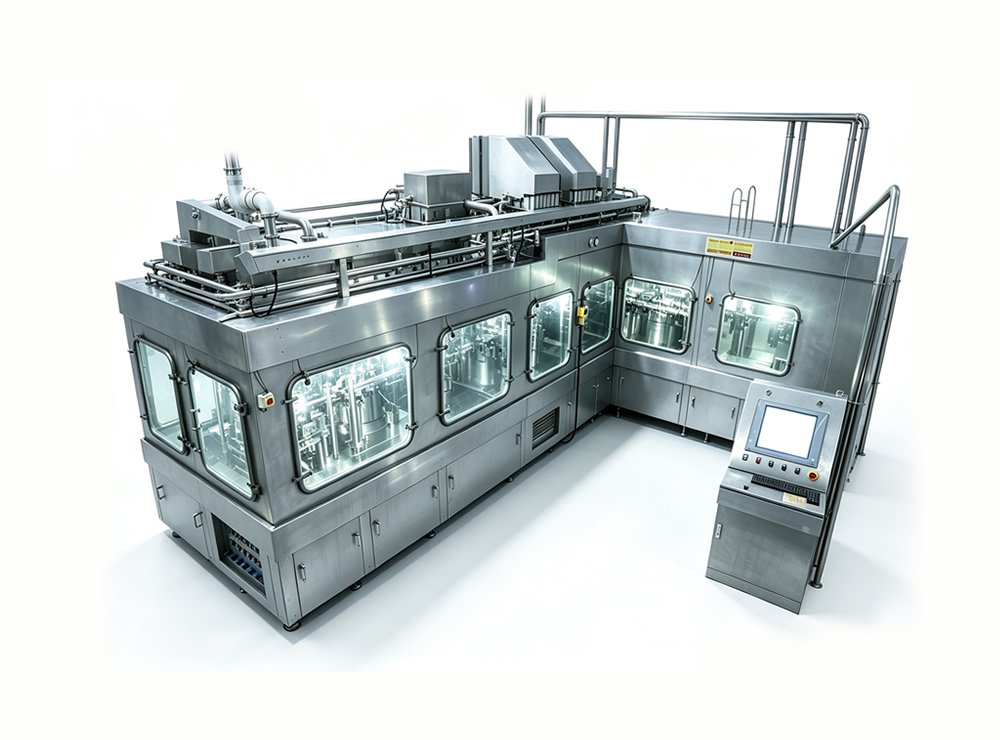
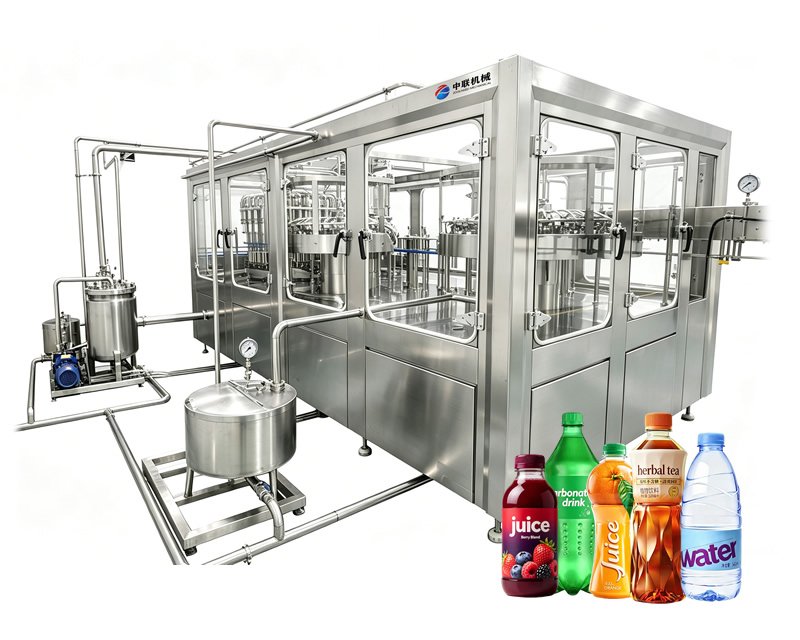
- 3-in-1 monobloc (rinsing, filling, capping) for PET bottles — the workhorse of most plants
- PET blow molding in-house to cut bottle purchasing costs and control quality
- Dedicated 5-gallon/19 L barrel lines for the office and home-delivery segment
- Automatic sachet machines for high-volume, low-cost pouches
Line speed — from a few thousand up to 36,000 bottles per hour — should follow your feasibility numbers, not vendor ambition.
5. Downstream: Labeling, Coding and Packing
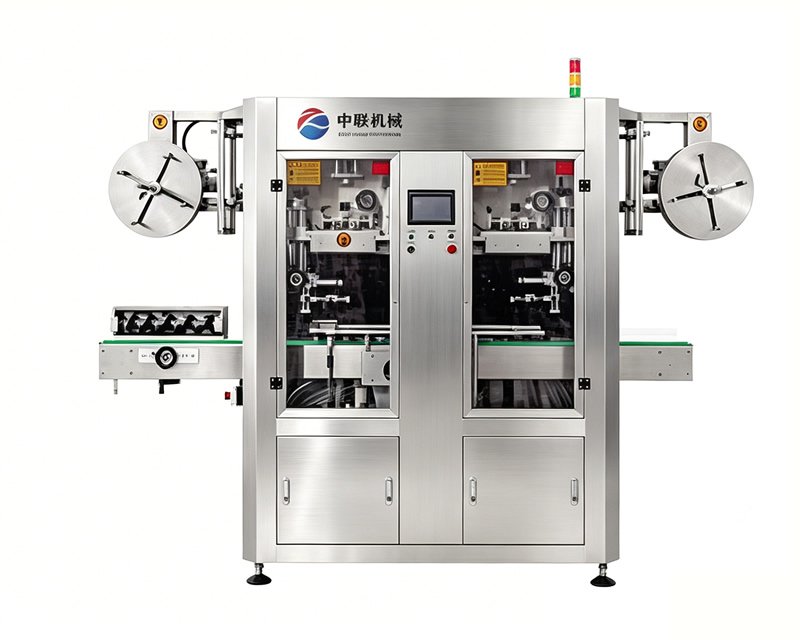
A professional finished product needs automatic labeling, date/batch coding, shrink-film or carton packing, and often palletizing for distribution. These steps protect your brand image on the shelf and streamline warehouse logistics.
6. Utilities and Factory Layout
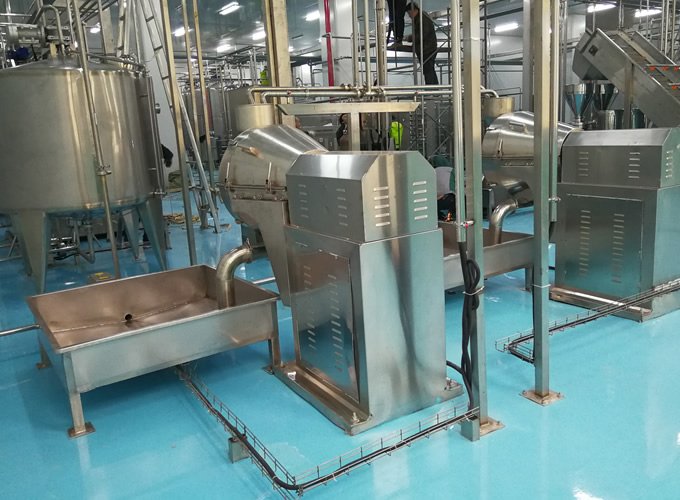
First-time investors often forget the “invisible” infrastructure: air compressors, chillers, boiler or heat source, electrical distribution, wastewater handling and a clean production environment. A good engineering partner delivers a factory layout drawing that optimizes material flow and meets hygiene standards from day one.
7. Cost Structure and ROI Thinking
Total investment spans equipment, installation, civil works, utilities and initial working capital. While we do not quote fixed prices here — every project is scoped individually — the smart approach is to model cost per bottle and payback period rather than fixate on machine sticker price. In-house blow molding, energy-efficient RO and reliable automation usually pay back through lower unit costs and higher uptime.
8. Common Pitfalls to Avoid
- Skipping proper source-water testing and discovering treatment gaps after installation
- Buying an oversized line that runs half-empty
- Ignoring after-sales support, spare parts and operator training
- Underestimating utilities and wastewater requirements
- Choosing the cheapest quote without checking hygiene design and material grade
9. Frequently Asked Questions
How long does it take to build a bottled water plant? From contract to production, a standard turnkey project typically runs a few months, depending on civil works and shipping.
Can one line handle multiple bottle sizes? Yes — with proper format-change parts and planning, a single line can run several PET formats.
What about training? A reputable supplier provides on-site installation, commissioning and operator training so your team can run at rated capacity.
Conclusion
A bottled water plant in Central Asia is a realistic, high-potential investment when it is planned properly — starting with source-water science, right-sized capacity, robust treatment and dependable after-sales support. With the right turnkey partner, first-time investors can move from feasibility study to a profitable, export-ready operation with confidence.
Ready to plan your bottled, sachet or barreled water project? Explore our Drinking Water Production Line.