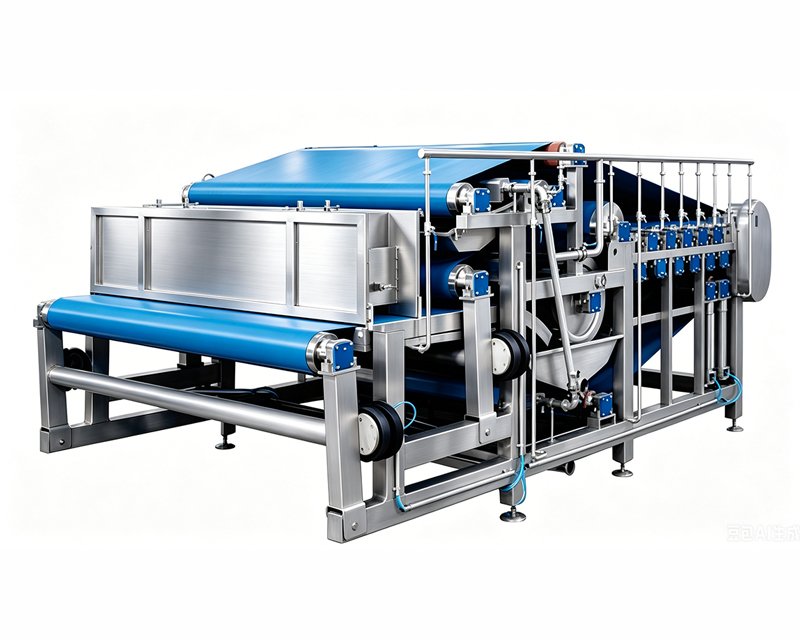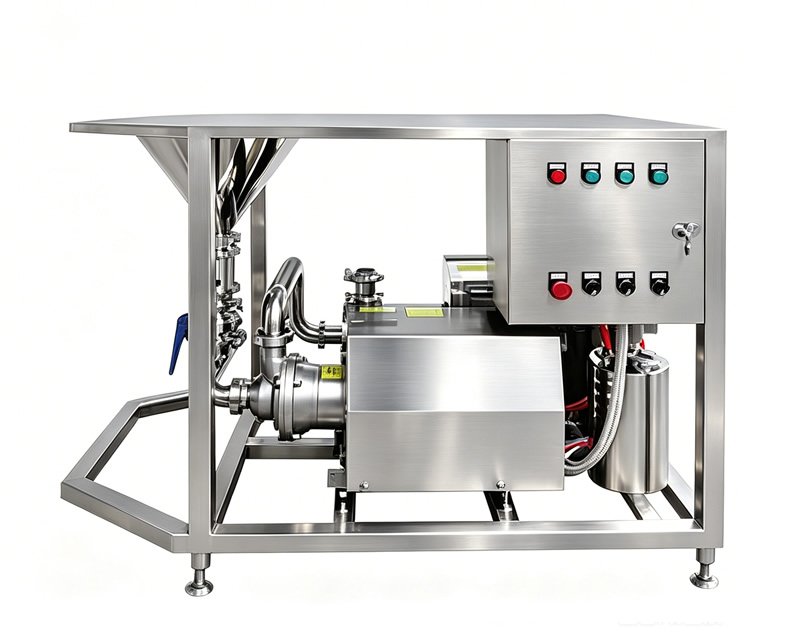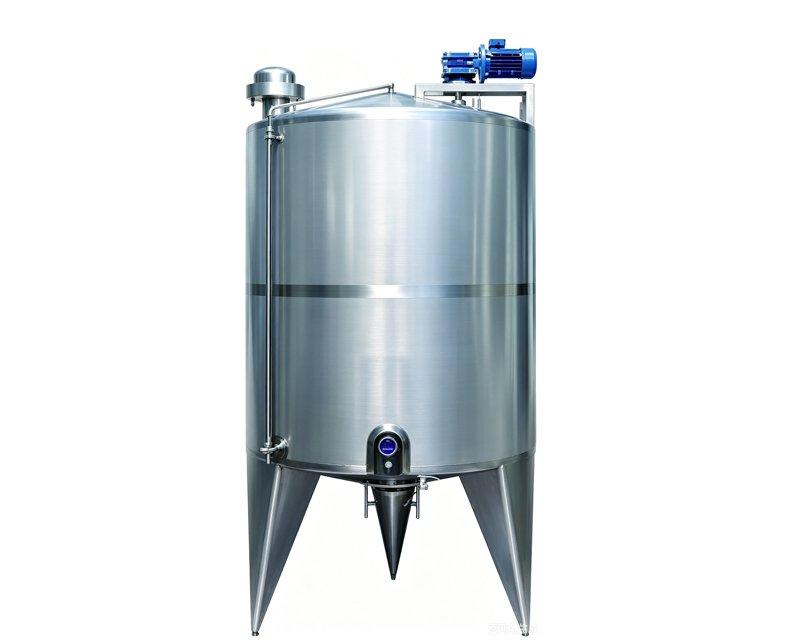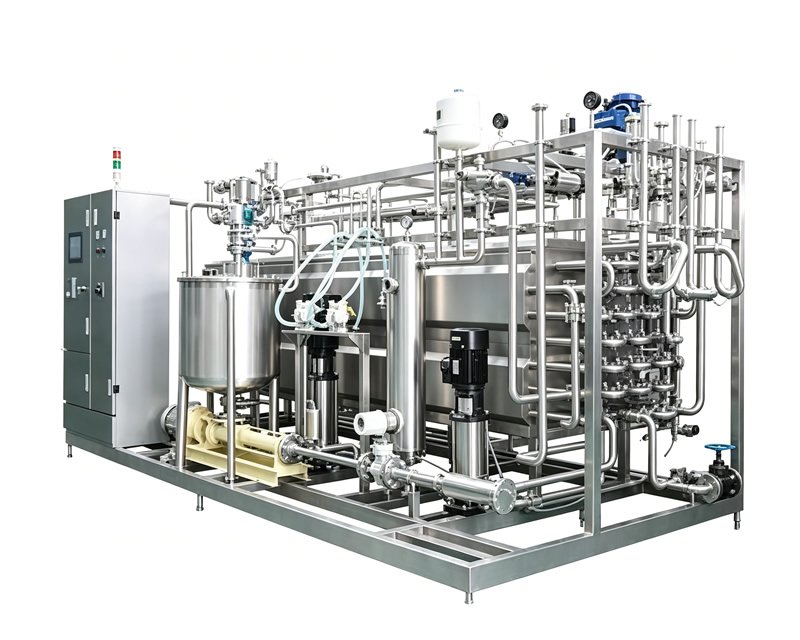
The global appetite for natural, healthy beverages has made fruit juice production one of the most promising opportunities for food manufacturers and investors. But building a juice line that delivers fresh taste, long shelf life and profitable margins requires far more than a filling machine. This complete guide explains how a modern turnkey fruit juice line is designed, from raw fruit intake to the finished bottle.
1. Understanding Juice Types and What They Demand
Your product strategy dictates your equipment. The main categories each carry different processing needs:
- NFC (not-from-concentrate) — premium, fresh-tasting juice pressed and packed without dilution; demands gentle handling and strong aroma protection
- Concentrate-based / reconstituted juice — cost-efficient, using stored concentrate blended with water
- Nectars and high-pulp drinks — require pulp finishing control and often added sugar/acidity correction
- Fruit vinegar and fermented drinks — add fermentation tanks and extended processing
2. Fruit Reception and Preparation
Quality starts at intake. A well-designed line removes field heat quickly and screens out damaged fruit before it can spoil a batch. Typical steps include washing, sorting, and — depending on fruit — de-stoning, peeling or crushing. Getting this stage right protects both flavor and food safety downstream.
3. Extraction, Pulping and Finishing
This is where raw fruit becomes juice. Pulpers and finishers separate juice and pulp from skins and seeds, while adjustable screens set the final pulp content. Enzymatic treatment can improve yield and clarity. For clear juices, additional filtration or clarification follows; for nectars, controlled pulp is retained for body.
4. De-aeration: The Step Beginners Overlook
Dissolved oxygen is the enemy of fresh juice — it drives oxidation that browns color and dulls flavor, and it degrades vitamin C. Vacuum de-aeration before heat treatment is one of the highest-impact, lowest-glamour steps in the whole line. Skipping it is a common and costly mistake.
5. Blending and Formulation
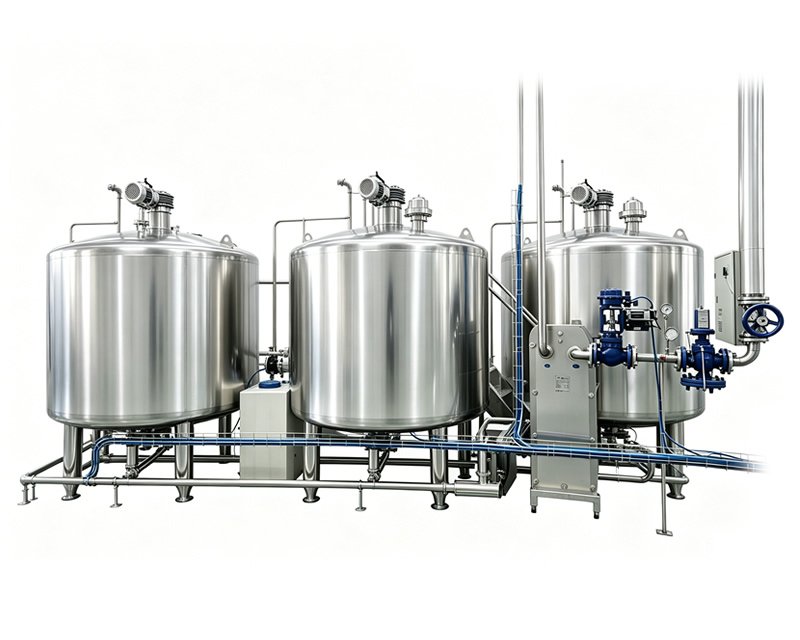
A dedicated blending station lets you standardize every batch: adjusting Brix (sugar), acidity, and combining multiple fruits into signature blends. Repeatable recipes are what separate a professional brand from an inconsistent one.
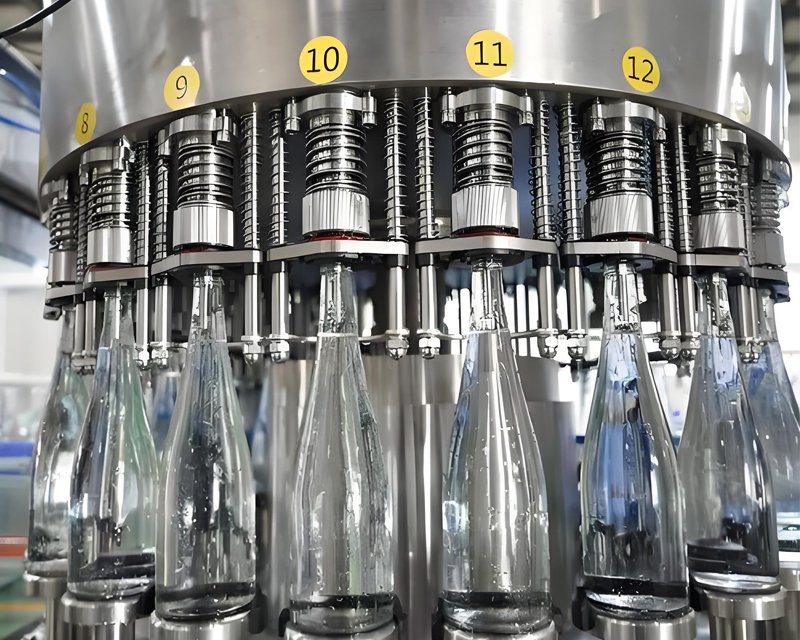
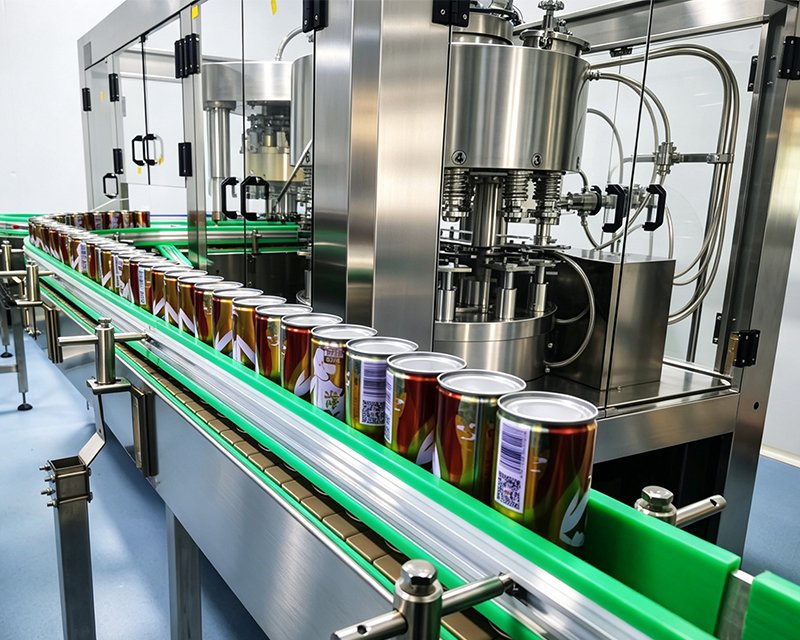
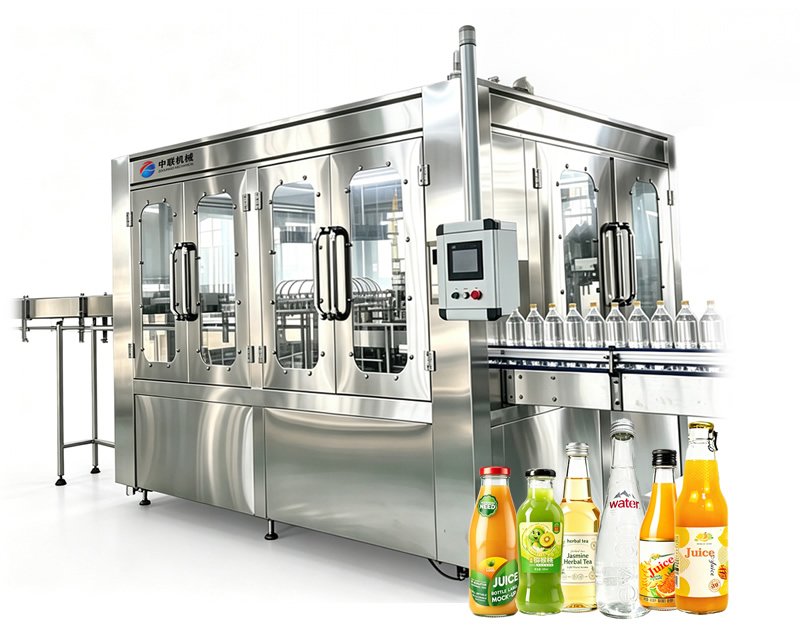
6. Sterilization and Filling
Two proven routes dominate modern juice production:
- Hot filling — juice is pasteurized, filled hot into heat-resistant bottles and cooled; simple and reliable for many juices
- UHT + aseptic filling — ultra-high-temperature treatment plus sterile filling gives the longest shelf life and best flavor retention, ideal for premium NFC products
Both deliver ambient shelf stability, removing the need for a cold chain — critical for distribution across emerging markets.
7. Packaging, Coding and Palletizing
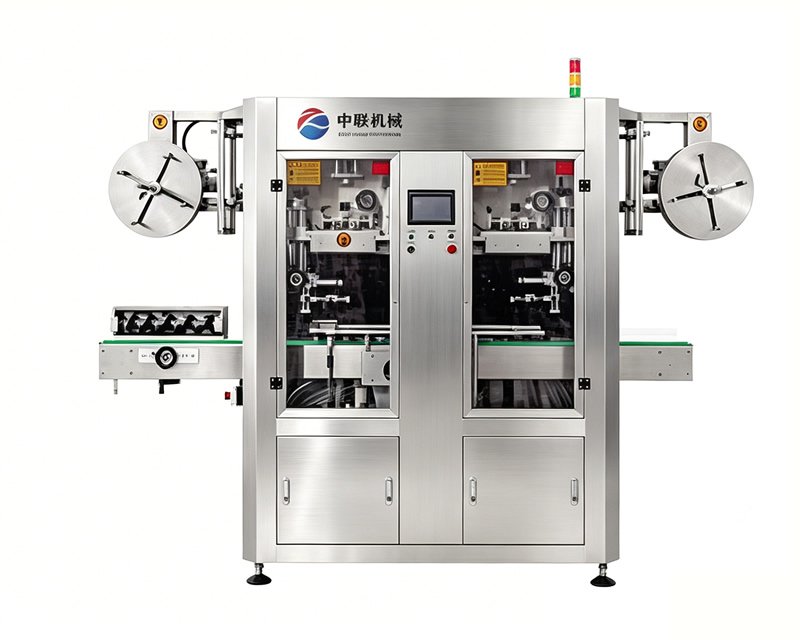
Automatic labeling, date/batch coding, shrink or carton packing and palletizing turn bulk juice into a retail-ready, logistics-friendly product. Professional packaging is also a powerful brand signal on a crowded shelf.
8. Utilities, Hygiene and CIP
Behind every juice line sit steam/heat, chilling, compressed air and — crucially — a Cleaning-In-Place (CIP) system. CIP enables fast, hygienic changeovers between recipes and is essential for food safety and uptime. Never treat it as an afterthought.
9. Costing and ROI
Rather than fixating on machine price, model your economics around cost per liter, yield, uptime and shelf life. Higher-efficiency extraction and reliable automation typically pay back through reduced waste and labor. Every project should be scoped to your specific fruit, capacity and market.
10. Common Pitfalls
- Underestimating raw-fruit variability and seasonality
- Skipping de-aeration and losing color/flavor
- Oversizing the line beyond real demand
- Neglecting CIP and hygiene design
- Choosing suppliers without solid after-sales support and training
Conclusion
A successful fruit juice line balances gentle processing, robust food safety and flexible capacity. With the right turnkey partner guiding you from fruit selection to palletized product — including installation, training and after-sales support — you can build a juice operation that delivers fresh taste, long shelf life and healthy margins.
Ready to design your own fruit juice or fruit vinegar line? Explore our Fruit Juice & Fruit Vinegar Production Line.