One of the first — and most expensive — decisions any beverage producer makes is packaging format. PET bottles, glass and cans each carry very different implications for capital cost, line design, shelf life, branding and freight. Choose wrong and you can lock a factory into the wrong economics for a decade.
This guide breaks down the three dominant beverage packaging formats — PET, glass and aluminium cans — across the factors that actually drive profitability, so you can match format to product, market and budget.
Quick Comparison: PET vs Glass vs Can
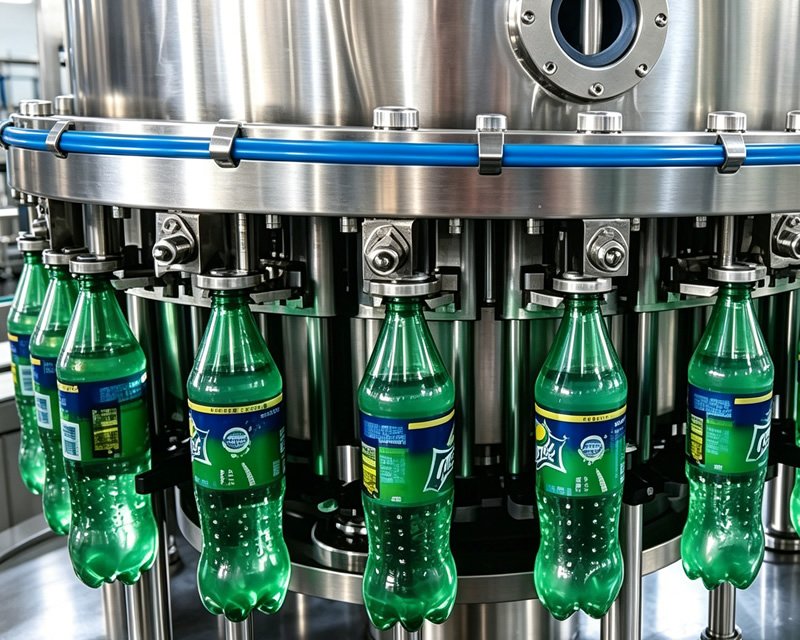
1. PET Bottles — The Versatile Workhorse
PET dominates water, juice and mainstream soft drinks for good reason: bottles can be blow-moulded on-site from lightweight preforms, slashing inbound freight and enabling very high line speeds. PET suits both cold-fill and hot-fill (with heat-set bottles).
- Pros: low freight, high speed, design flexibility, on-site blowing.
- Cons: lower premium perception, oxygen barrier limits for sensitive products.
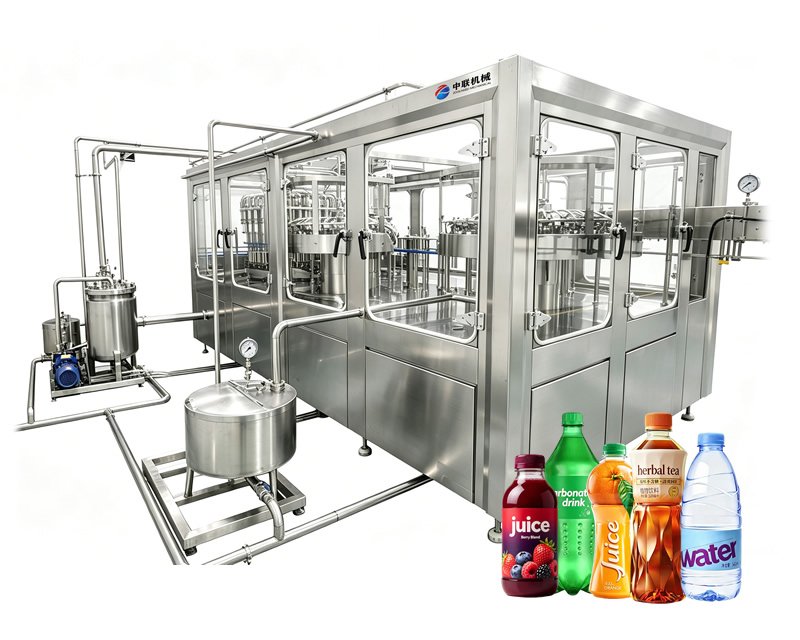
- Line fit: blow-fill-cap combi-blocks integrate blowing and filling in one footprint.
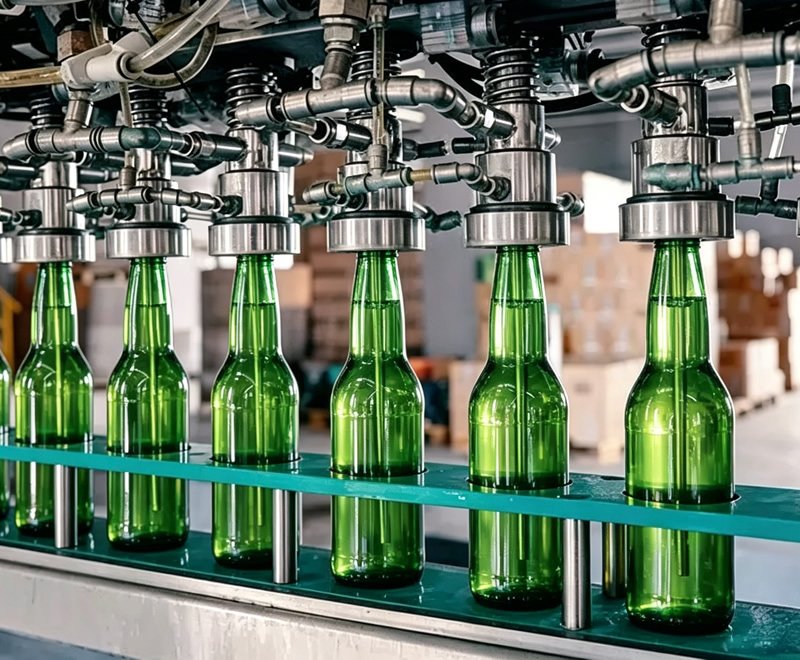
2. Glass — Premium and Hot-Fill Friendly
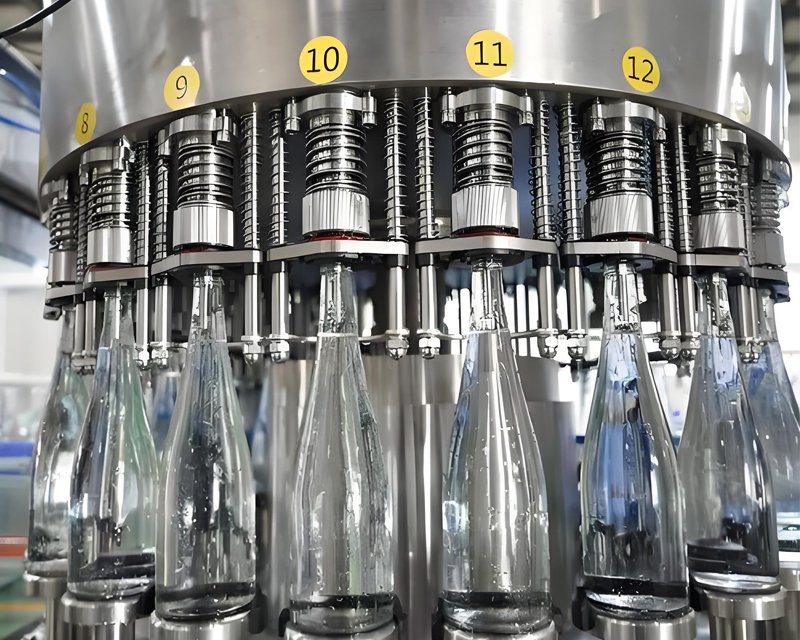
Glass signals premium and is inert — ideal for hot-fill juices, teas, wine and products where flavour purity and shelf image matter most. The trade-off is weight and freight cost, plus more careful handling on the line.
- Pros: premium image, excellent barrier, perfect for hot-fill and wine.
- Cons: heavy, higher freight, breakage risk, slower handling.
- Line fit: glass 3-in-1 rinsing-filling-capping monoblocks.
3. Aluminium Cans — Modern and Carbonation-Perfect
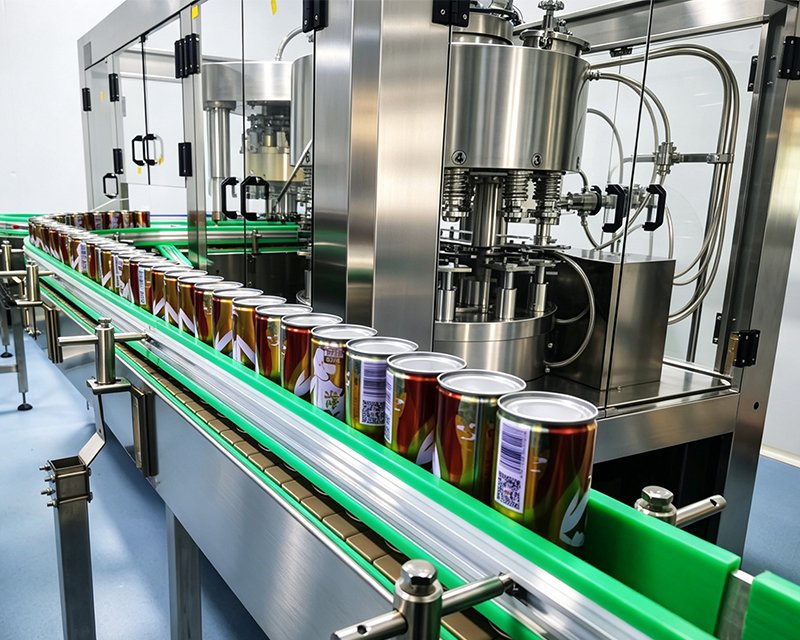
Cans have surged with energy drinks, craft and RTD categories. They hold carbonation and light out completely, chill fast and stack efficiently — but demand higher capital investment in seaming technology.
- Pros: excellent barrier, great for CSD/energy, light, stackable.
- Cons: higher capex, less design curvature, minimum order sizes.
- Line fit: can filling & seaming monoblocks.
How to Decide: A Simple Framework
- Start with the product: carbonated → can/glass/PET; hot-fill juice/tea → glass/heat-set PET; water → PET.
- Layer in the market: premium/export → glass or can; mass-market/price-sensitive → PET.
- Check the logistics: long-haul distribution favours PET/can; local premium favours glass.
- Model the capex: PET usually lowest entry cost; cans highest; glass in between.
Not sure which format fits your product and market?
Frequently Asked Questions
Can one line handle multiple formats?
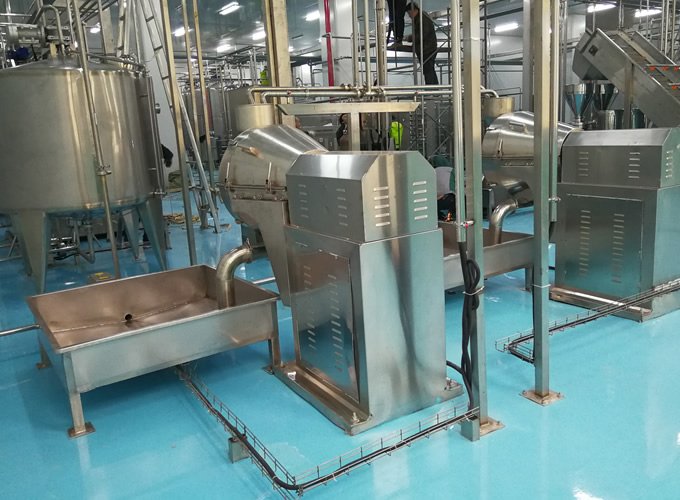
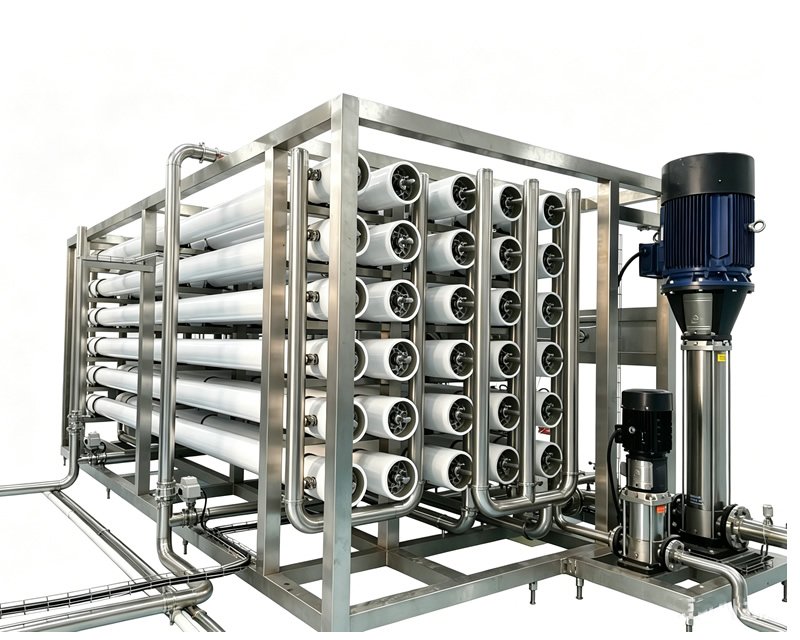
Partly. PET and glass often need different fillers, but shared utilities (water treatment, blending, CIP) can serve multiple filling lines. Many producers start with one format and add a second filling line later on the same backbone.
Which format has the fastest payback?
For water and mainstream drinks, PET usually offers the fastest payback due to low capex and freight. For premium/export products, glass or can can command higher margins that offset their costs.
Is hot-fill possible in PET?
Yes — with heat-set PET bottles and a hot-fill-capable filler. It is common for juices and teas that want PET economics with hot-fill shelf life.
Conclusion
There is no universally “best” beverage package — only the best fit for your product, market and logistics. Get the format decision right first, and the rest of the line design follows logically. If you’d like a second opinion mapped to your specific product, our engineering team is happy to help.
Get format-specific line advice.