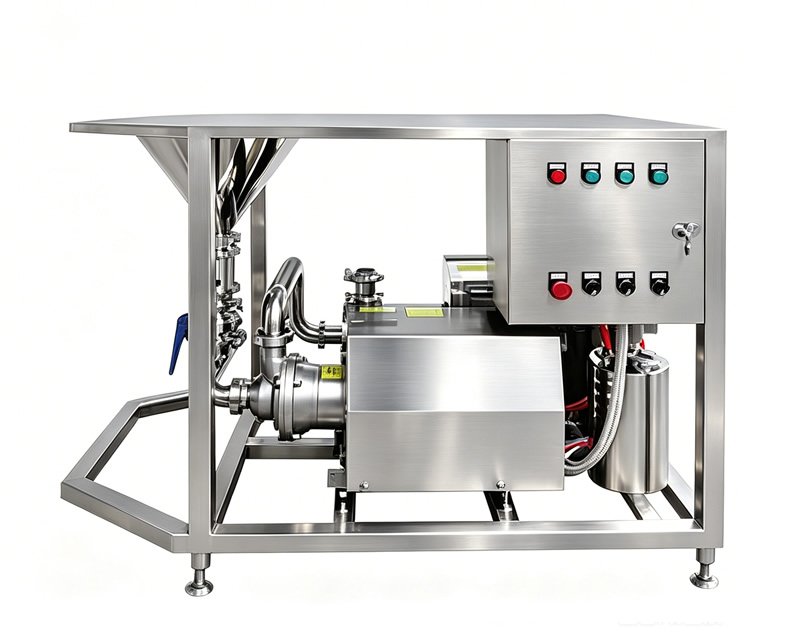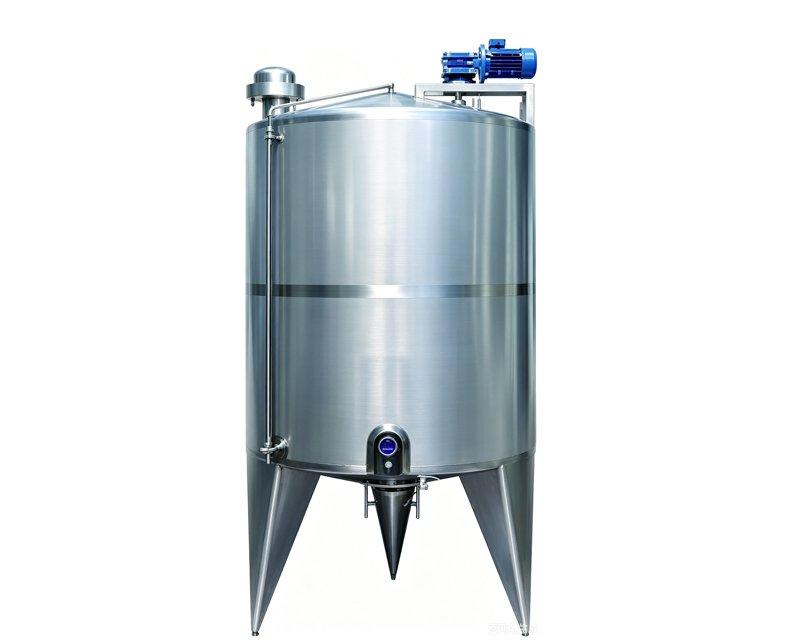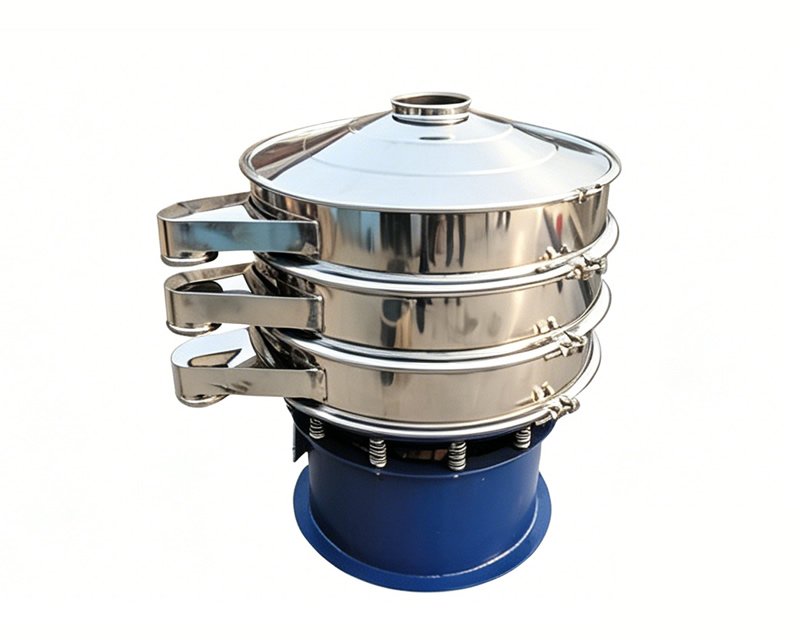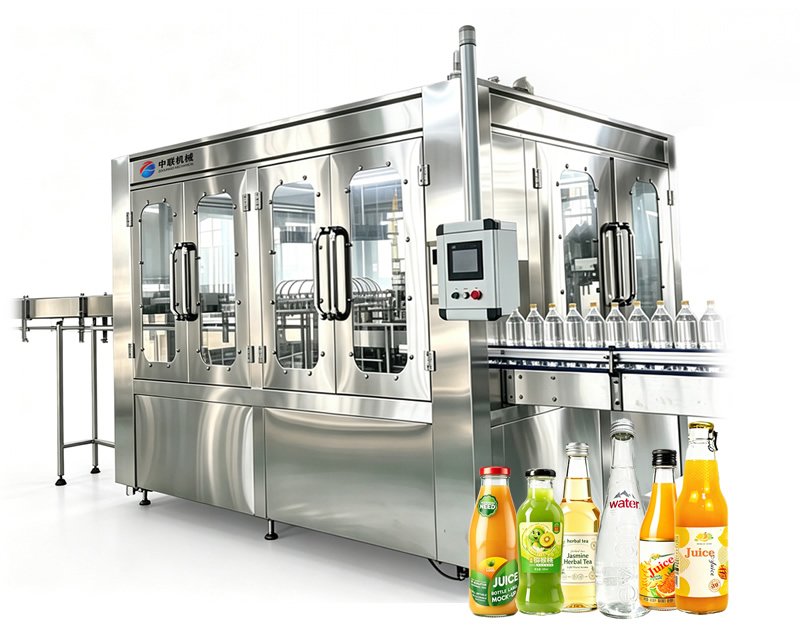
In beverage manufacturing, the equipment you don’t see running is often the most important for product safety: the Clean-in-Place (CIP) system. Poor cleaning causes spoilage, recalls and lost shelf life; good CIP is invisible, repeatable and fast. Yet CIP is frequently an afterthought in line design.
This guide explains how CIP systems work, the standard cleaning cycle, key design parameters, and how to size a system for a beverage plant — whether you produce water, juice, tea, CSD or plant-protein drinks.
What Is CIP and Why It Matters
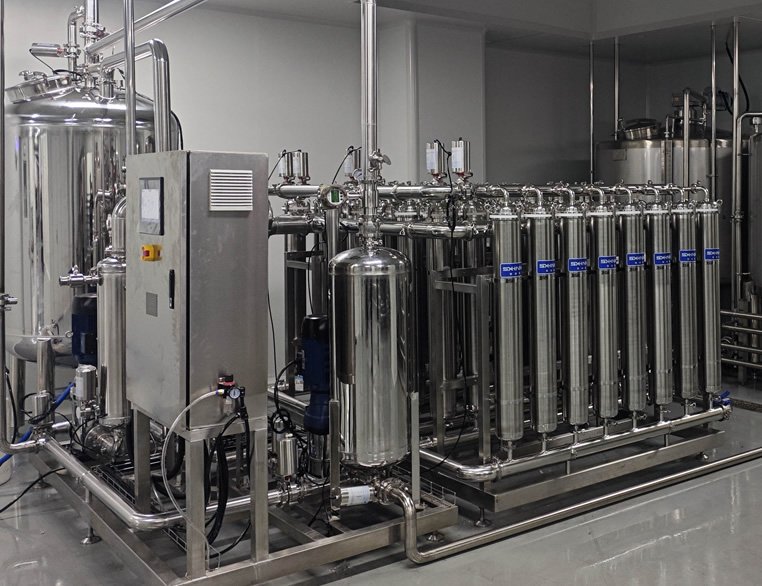
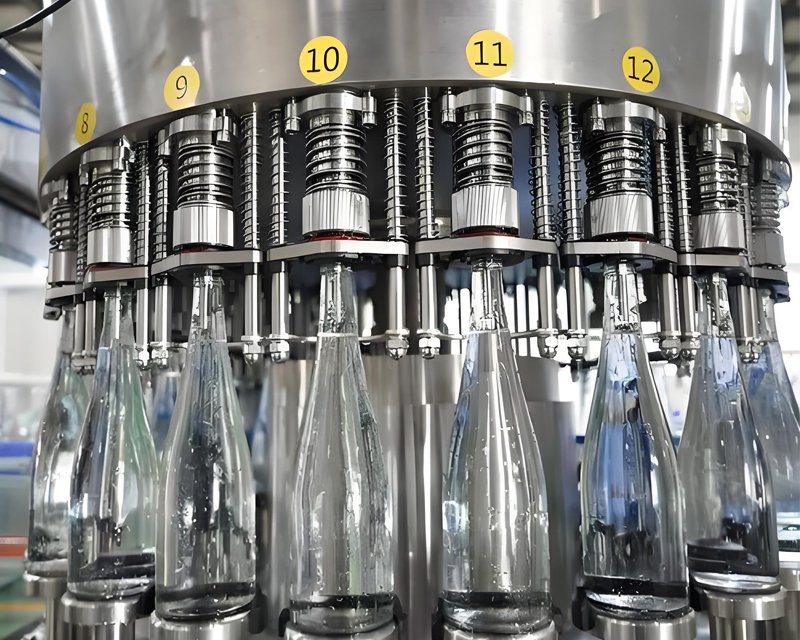
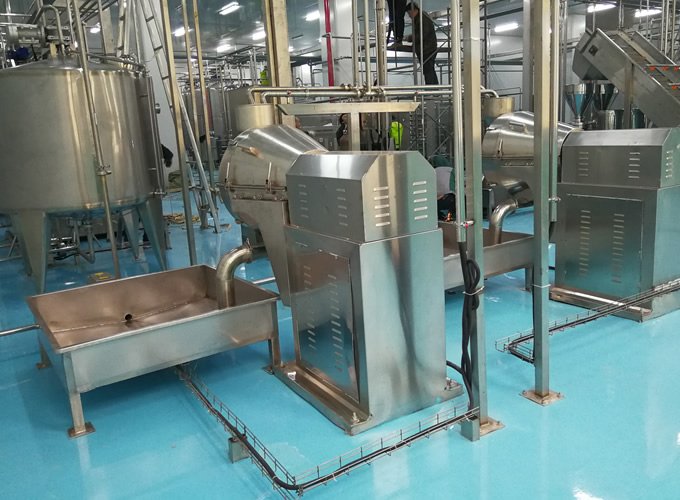
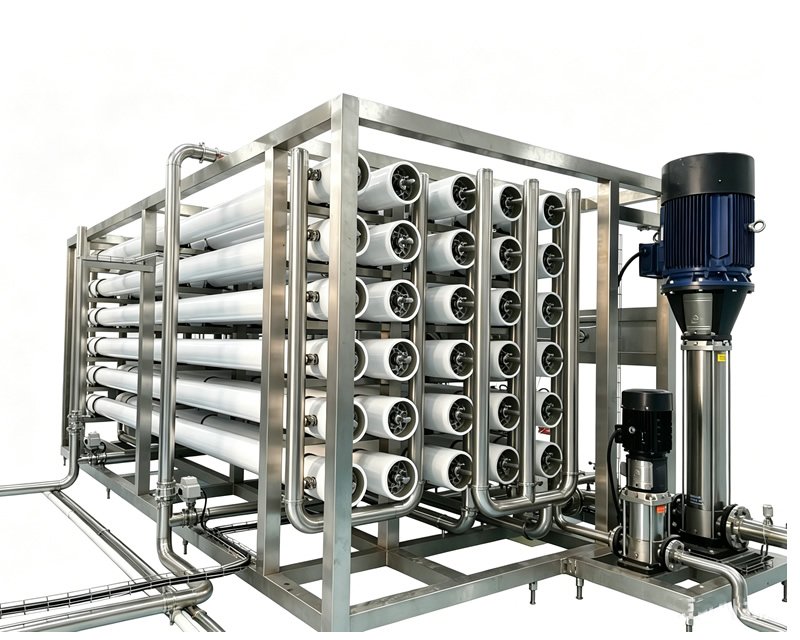
CIP cleans the internal surfaces of tanks, pipes, pumps, fillers and heat exchangers without dismantling them, by circulating cleaning solutions through the system. It standardises hygiene, reduces water/chemical waste and cuts downtime between batches.
The Standard CIP Cycle
- Pre-rinse (water): flush out residual product.
- Caustic wash (alkali): remove organic soils, fats and proteins.
- Intermediate rinse: clear caustic before acid.
- Acid wash: dissolve mineral scale and water hardness deposits.
- Final rinse (purified water): remove all chemical traces.
- Sanitise (hot water / disinfectant): final microbiological kill step.
Key CIP Parameters — The “TACT” Rule
Effective cleaning balances four variables, often remembered as TACT: Time, Action (flow/turbulence), Concentration and Temperature. Get these right and cleaning is fast and reliable.
Single-Tank, Multi-Tank and Reuse Systems
CIP systems scale with plant complexity:
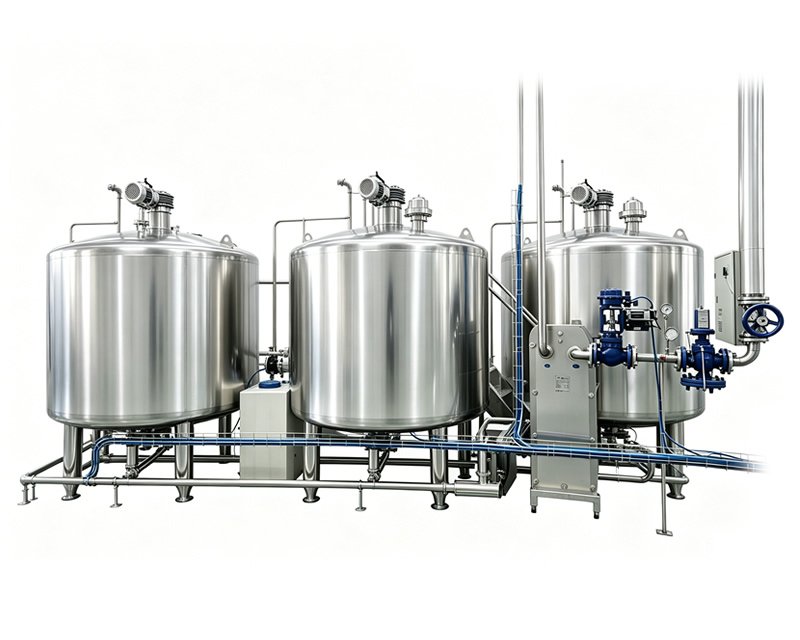
- Small conjunct / single-tank CIP: compact, ideal for start-ups and single lines.
- Semi-automatic multi-tank: separate caustic/acid tanks for faster cycles.
- Fully automatic reuse CIP: recovers caustic/acid and final rinse water — lowest running cost for larger plants.
Designing hygiene into a new beverage line?
How to Size a CIP System
- Map the circuits: count tanks, filler, UHT/pasteuriser, pipe runs.
- Find the largest circuit volume: tank capacity drives tank sizing.
- Set target flow: ≥ 1.5 m/s in the largest pipe diameter.
- Decide single-use vs. reuse based on batch frequency and chemical cost.
Frequently Asked Questions
How often should CIP run?
Typically between product changeovers and at the end of each production day. High-risk products (juice, tea, protein) require stricter schedules than water.
Can CIP save money?
Yes. A reuse CIP system recovers caustic, acid and final-rinse water, cutting chemical and water costs significantly over single-use cleaning — often the deciding factor for larger plants.
Does every line need automatic CIP?
Not always. Small start-ups can begin with a compact single-tank CIP and upgrade to automatic multi-tank or reuse systems as volume grows.
Conclusion
CIP is the quiet guardian of beverage quality. Designed and sized correctly — balancing time, action, concentration and temperature — it protects your brand, cuts downtime and lowers running costs. Treat it as core line infrastructure, not an add-on.
Add reliable CIP to your line design.