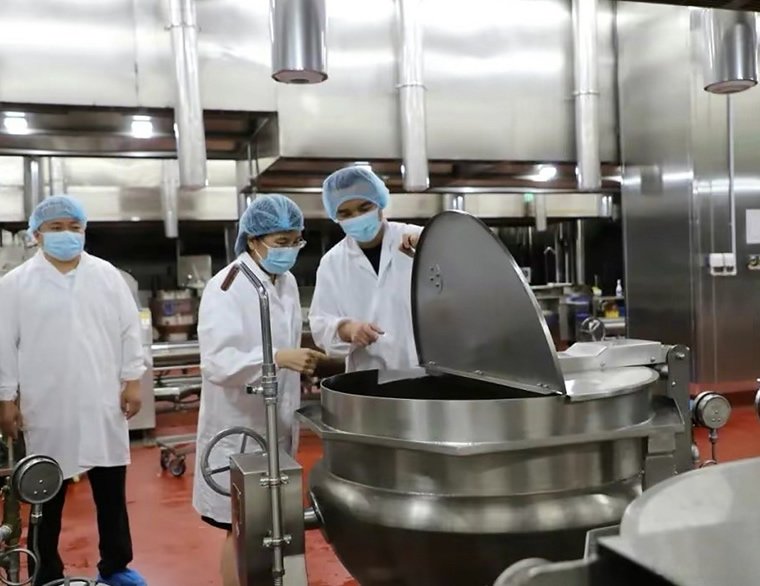
Georgia is widely regarded as the cradle of wine, with a winemaking tradition stretching back more than 8,000 years. Yet many of the country’s ambitious mid-size producers still rely on a patchwork of manual equipment that limits both consistency and export volume. When a growing winery near Tbilisi decided to modernise, they came to us not for a single machine but for a complete, integrated production line — one that could honour their traditional grape wine heritage while adding a modern fruit-wine range for younger export markets. Our engineering team designed, manufactured, installed and commissioned a full turnkey winery line covering everything from grape reception to final bottling and labelling.
This project is a good illustration of how a well-planned turnkey line can bridge tradition and industrial reliability. Rather than forcing the client to adopt a generic process, we mapped their existing recipes and fermentation practices onto scalable, temperature-controlled equipment, so the character of their wine remained intact even as output multiplied several times over.
Project Background
The winery produced respected dry reds and whites for the domestic market but faced two barriers to growth. First, manual crushing and open fermentation made batch-to-batch consistency difficult, which is a serious problem when trying to satisfy European and Central Asian importers who expect a stable product. Second, they wanted to diversify into fruit wines — pomegranate, cherry and berry — to reach consumers who prefer lighter, sweeter, lower-tannin drinks. Achieving both goals with their existing setup was impossible, so a purpose-built dual-purpose line became the clear solution.
Georgia’s climate and grape varieties, including the famous Saperavi and Rkatsiteli, also shaped the design. The equipment had to handle high-colour, high-tannin red grapes as well as delicate fruit musts, all within one facility and one skilled operating team.
Line Configuration
We delivered a complete process flow engineered around the client’s target output and product range:
- Grape reception and destemming: gentle destemmer-crusher to protect the must and control tannin extraction
- Must handling: pumps and pipework designed for high-viscosity red must without oxidation
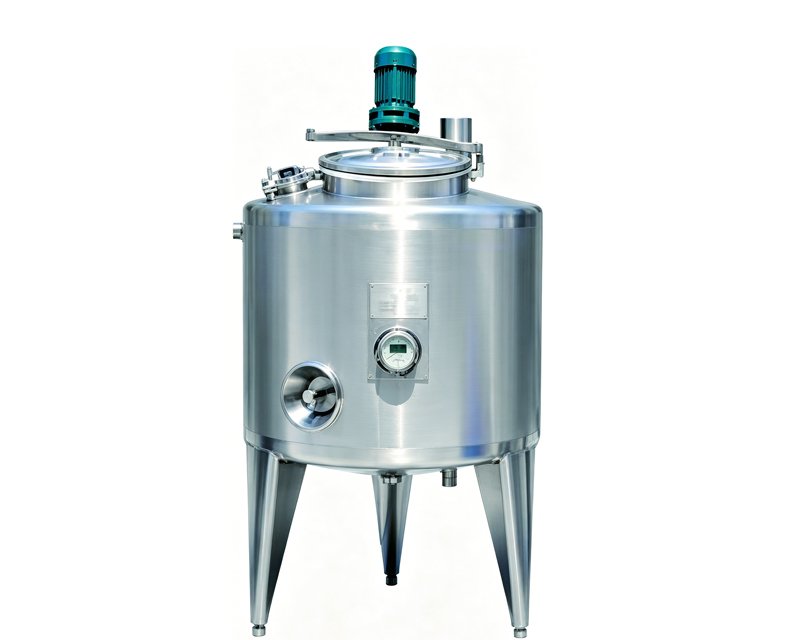
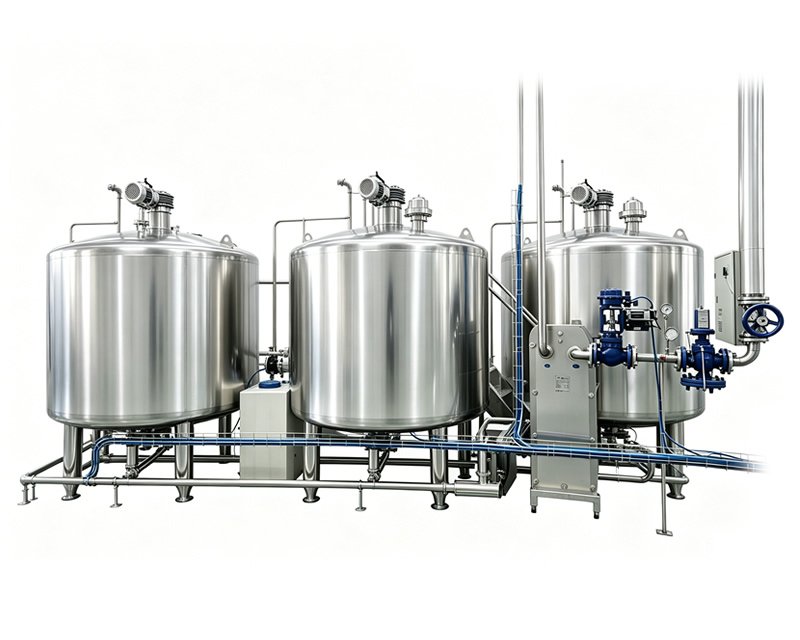
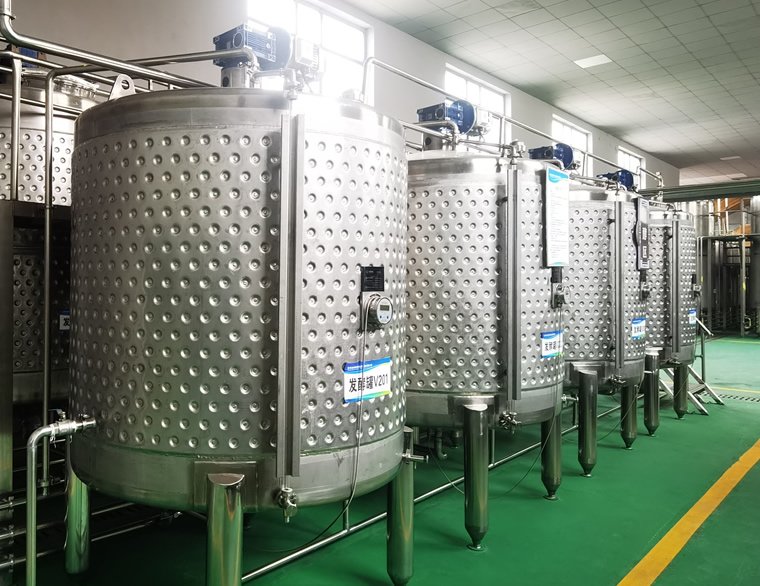
- Fermentation: temperature-controlled stainless steel jacketed tanks for precise, repeatable fermentation of both grape and fruit wines
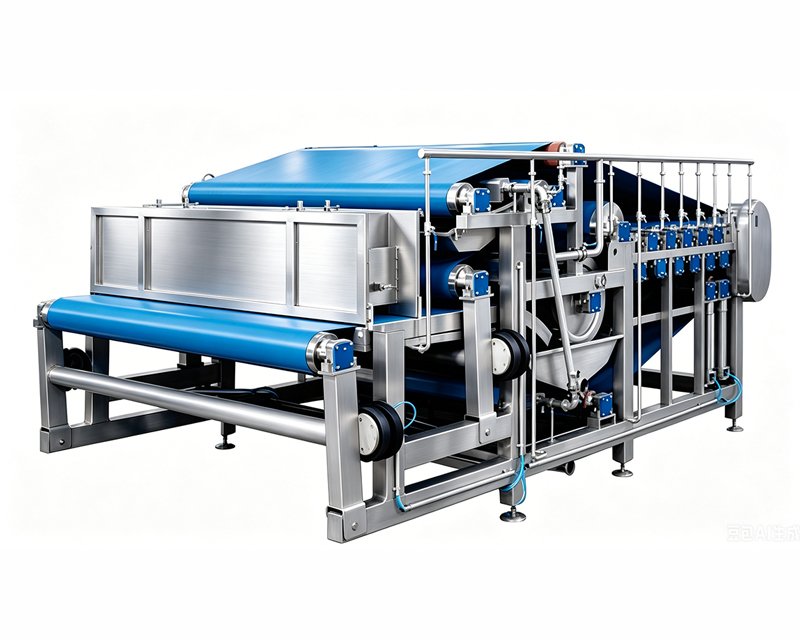
- Pressing: pneumatic press for gentle juice extraction and higher-quality free-run wine
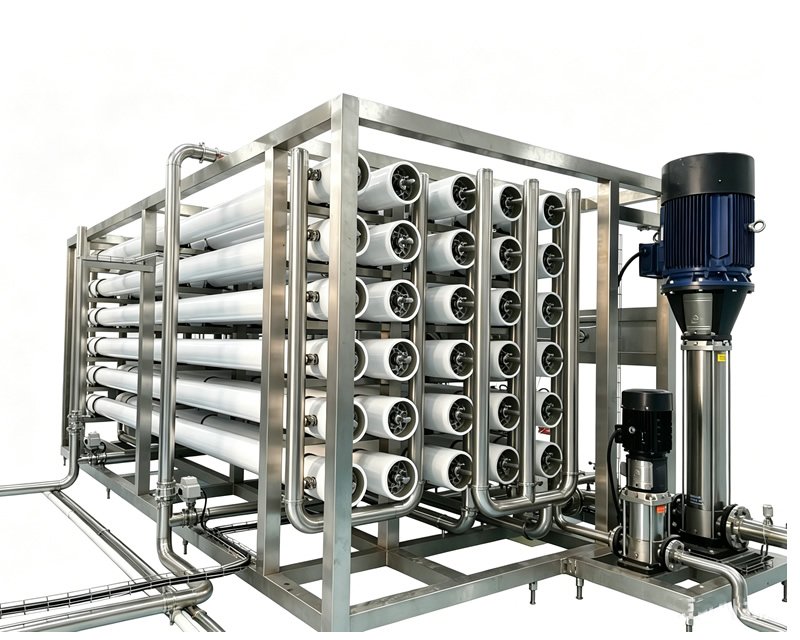
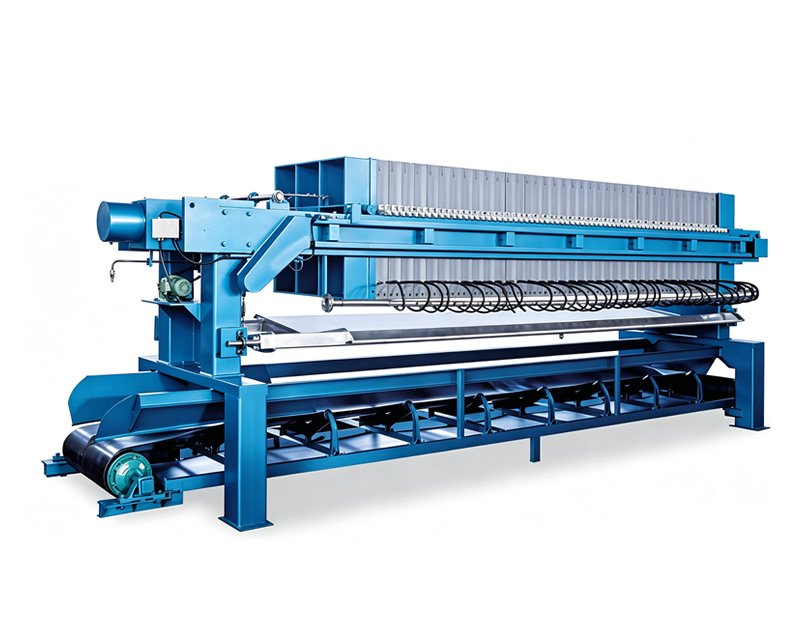
- Clarification and filtration: cross-flow filtration and plate filters for brilliant clarity
- Cold stabilisation: refrigerated tanks to prevent tartrate crystallisation before bottling
- Blending and dosing: batching tanks for consistent recipes across fruit-wine SKUs
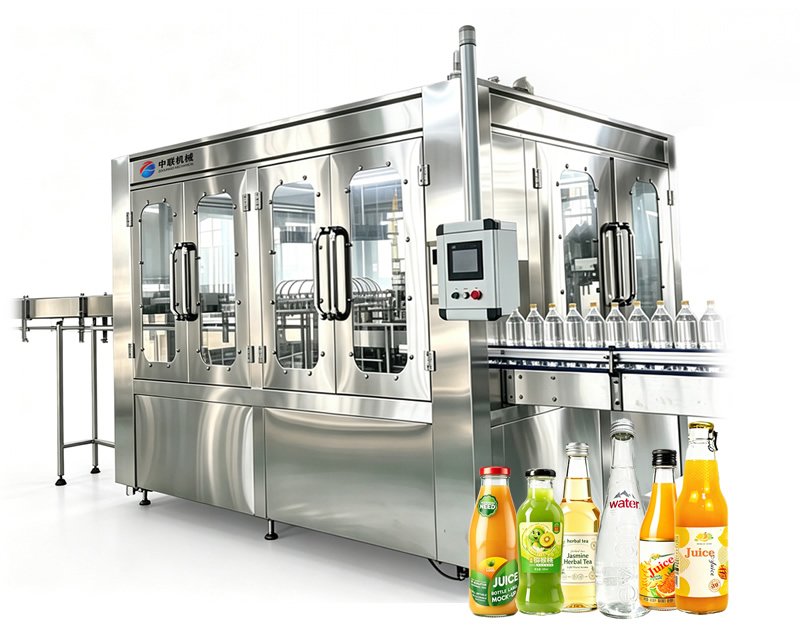
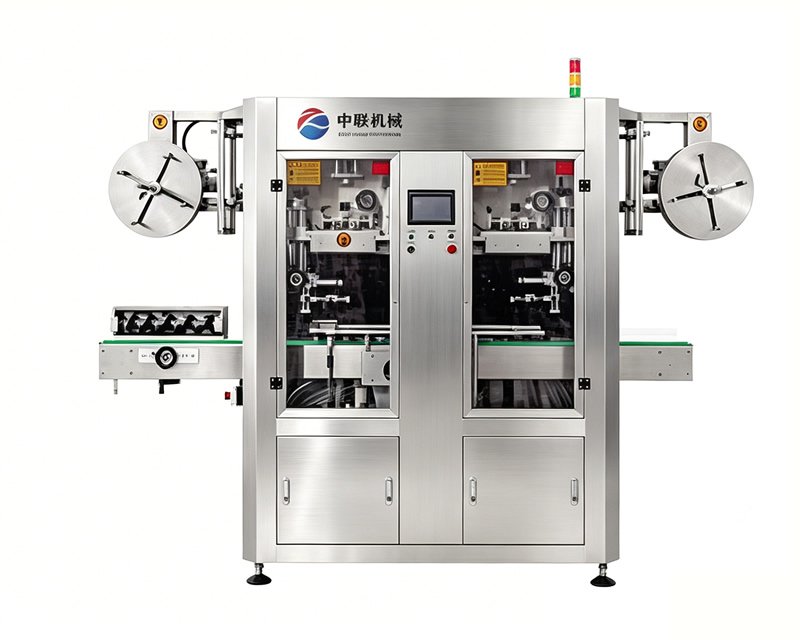
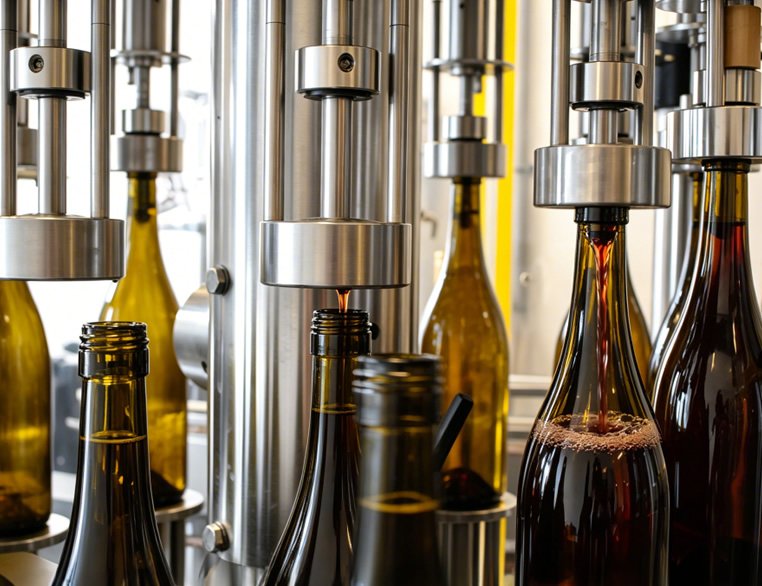
- Bottling line: rinsing, isobaric or gravity filling, corking/capping, labelling and coding
Challenges Solved
The biggest technical challenge was running two very different products — tannic grape wine and delicate fruit wine — through shared infrastructure without cross-contamination or flavour carryover. We addressed this with a CIP (clean-in-place) system and carefully zoned the process so fermentation tanks could be dedicated or switched with a validated cleaning cycle. Temperature control was the second priority: Georgia’s warm harvest season makes uncontrolled fermentation risky, so jacketed tanks with a glycol chiller gave the winemaker full command over fermentation curves.
A third consideration was preserving the artisanal identity the brand was built on. We deliberately kept certain steps — such as blending decisions and final tasting approval — in the hands of the winemaker, using automation to guarantee hygiene and consistency rather than to remove human craft.
Results
After installation and a comprehensive operator-training program, the winery reached stable, repeatable output across both product lines. Batch consistency improved dramatically, opening the door to export contracts that had previously been out of reach due to quality-variation concerns. The new fruit-wine range — led by a pomegranate wine aimed at Central Asian and Middle Eastern markets — became a fast-growing revenue stream within its first season.
Just as importantly, the winery retained its identity. The turnkey line gave them industrial reliability without turning their traditional wine into a generic commodity — exactly the balance a heritage producer needs when scaling for export.
Why a Turnkey Approach Works for Wineries
Wineries that buy equipment piece by piece often discover that mismatched machines create bottlenecks, sanitation gaps and integration headaches. A turnkey line, engineered as a single system, ensures every stage is correctly sized and connected — from must handling to the final labelled bottle. For producers targeting export, that end-to-end consistency is not a luxury; it is the foundation of a credible brand.
Planning to modernise your winery or launch a fruit-wine range? Explore our Wine & Fruit Wine Production Line.
Related case: browse more turnkey beverage project cases.