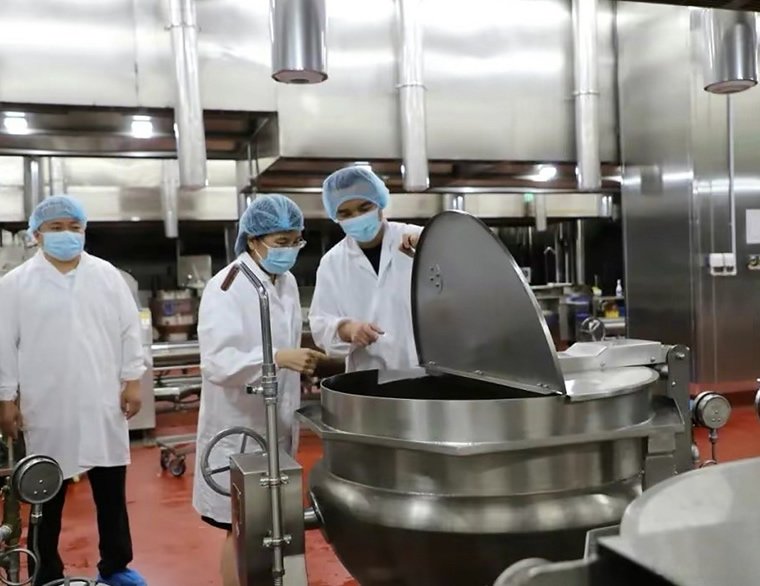
A boutique winery group in central Chile approached us to build a complete, semi-automatic grape wine production line capable of handling both still and lightly sparkling fruit wines. Their goal was to modernize a legacy operation while preserving traditional flavor profiles for the growing South American premium wine market.
Project Background
The client operated an aging facility with manual crushing, open-tank fermentation and hand bottling. Product losses, inconsistent fill levels and long changeover times were limiting their export ambitions to neighboring Peru, Bolivia and Brazil. They needed a turnkey upgrade that improved hygiene and repeatability without an industrial-scale footprint.
Our Turnkey Solution
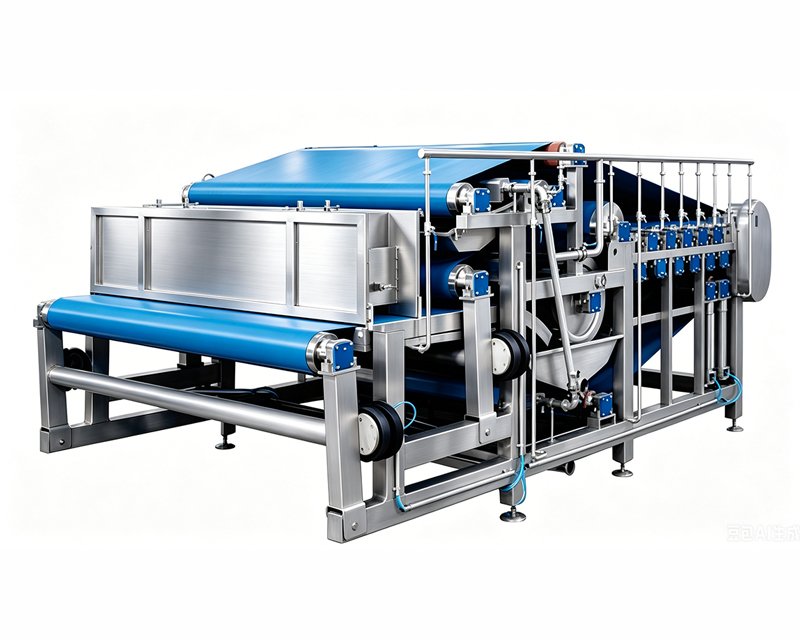
- Grape reception & destemming-crushing unit with stainless steel screw feeding
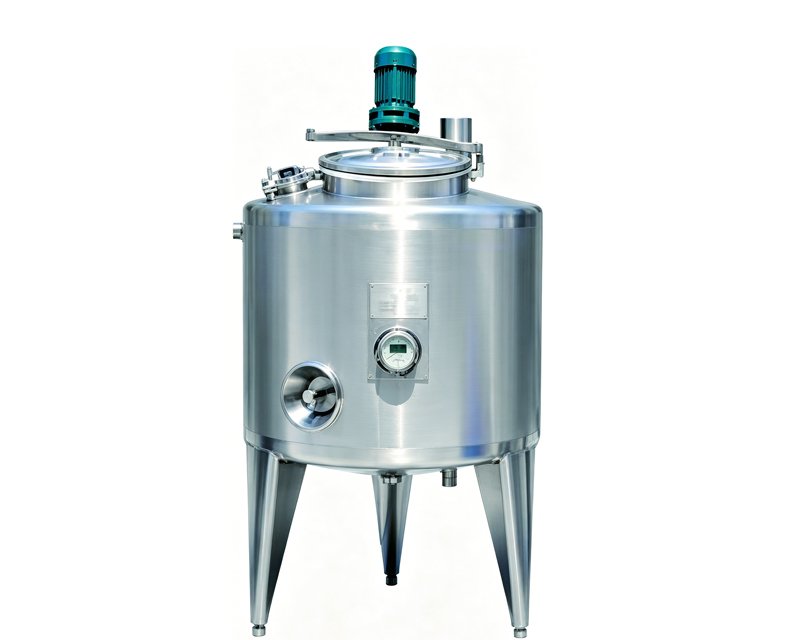
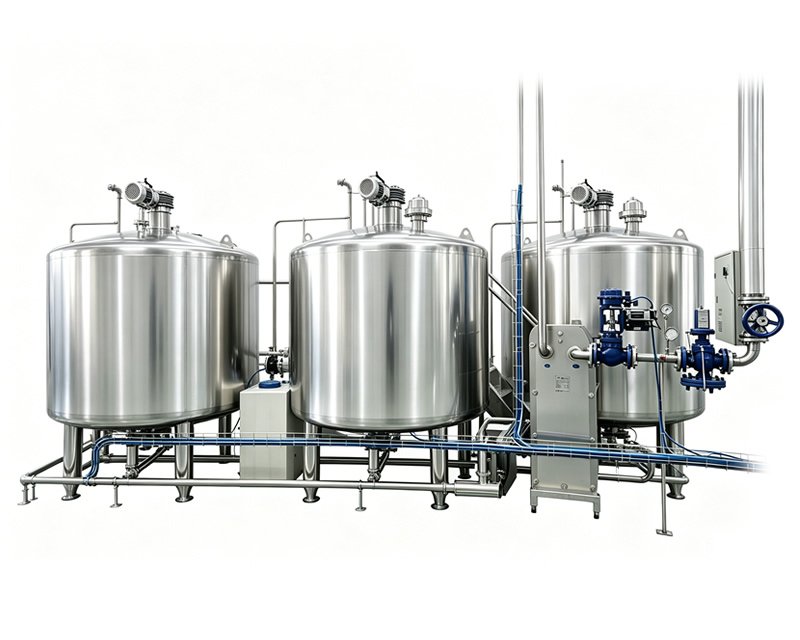
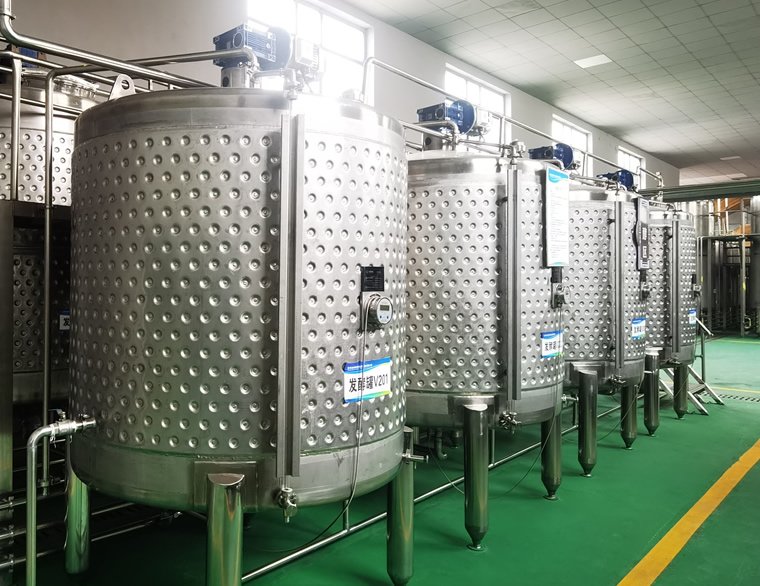
- Temperature-controlled jacketed fermentation tanks with glycol cooling for stable batch quality
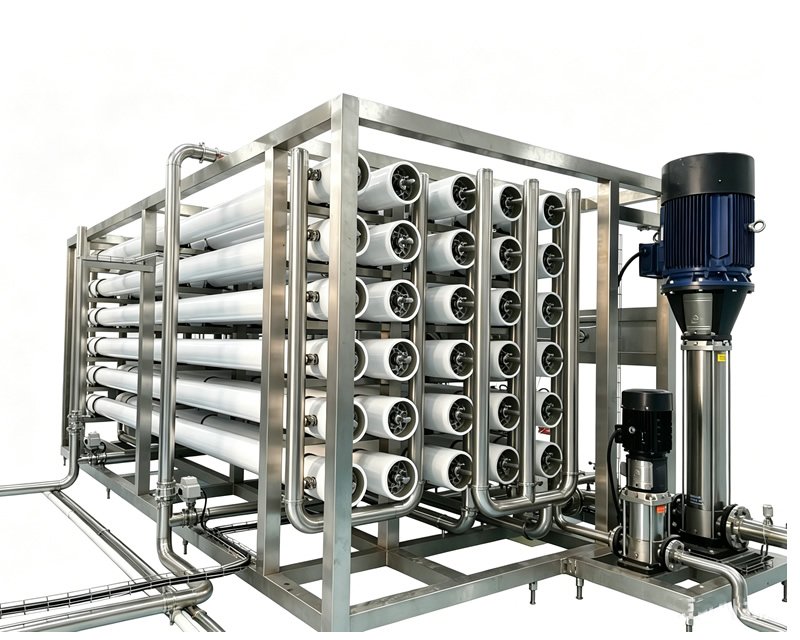
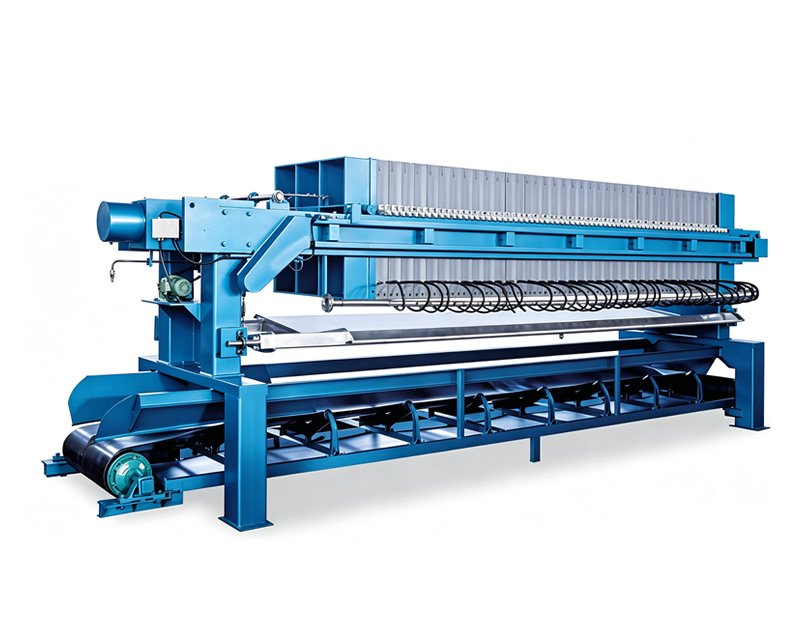
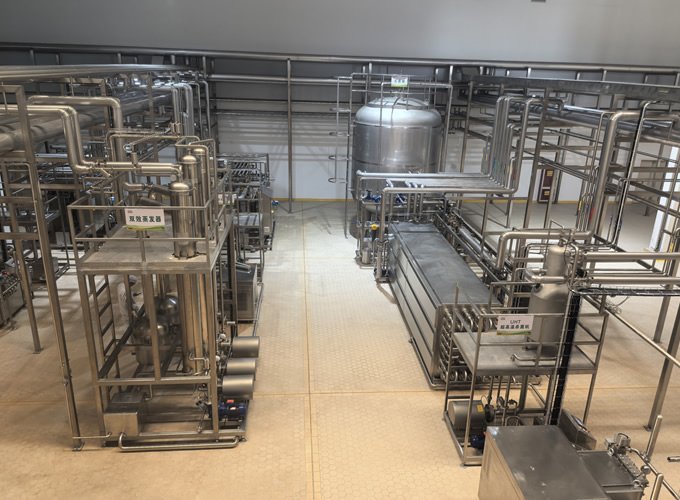
- Cross-flow filtration and cold stabilization to protect aroma and color
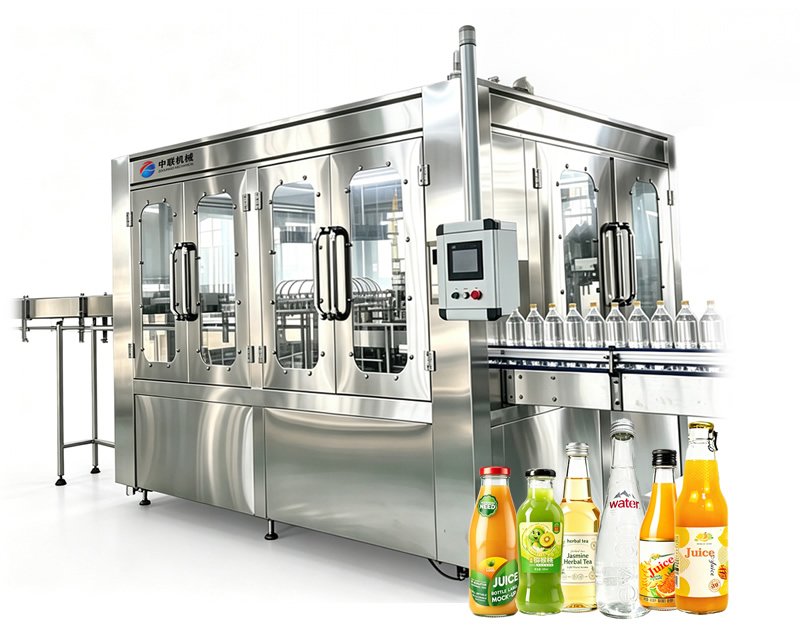
- Isobaric filling and corking line for still and semi-sparkling bottles
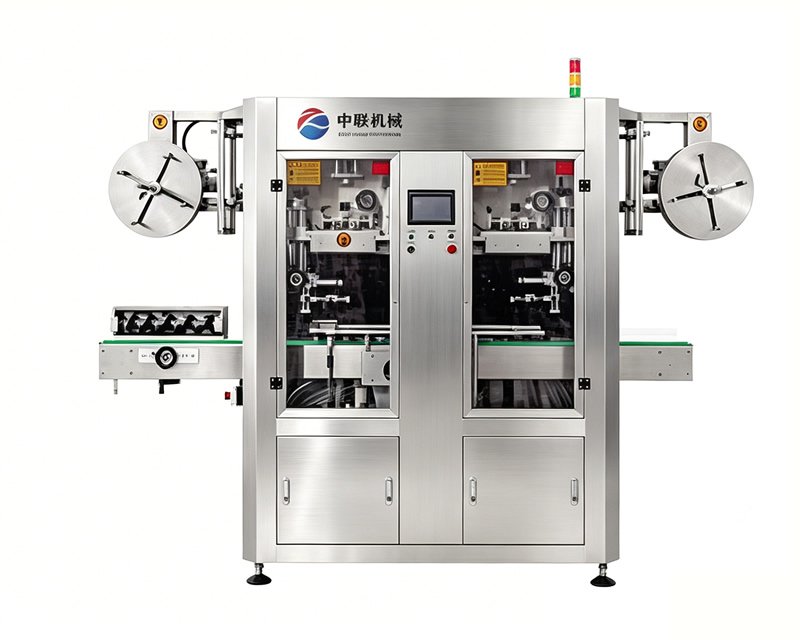
- Automatic labeling, capsule spinning and end-of-line packing
Results Delivered
After installation and commissioning by our engineers, the winery reached a stable output of roughly 3,000 bottles per hour with dramatically reduced product loss and consistent fill accuracy. On-site operator training ensured the local team could run and maintain the line independently, and the improved hygiene standards opened the door to wider export certification.
Why This Matters for Emerging Wine Markets
Across South America, Central Asia and Africa, small and mid-size wineries want export-ready quality without over-investing in massive automation. Our modular approach lets producers scale capacity in stages, matching real market demand while keeping capital costs manageable.
Technical Highlights of the Grape Wine Line
The winemaking process demands gentle handling to protect aromatics and phenolic balance. Our line integrates soft destemming-crushing, temperature-controlled fermentation and low-oxygen transfer to preserve color and bouquet. Glycol jacketing on each fermentation tank lets the winemaker hold precise temperatures for different grape varieties and styles, from crisp whites to structured reds.
Downstream, cross-flow filtration clarifies the wine without stripping character, while cold stabilization prevents tartrate haze in the bottle. The isobaric filler maintains counter-pressure so that lightly sparkling fruit wines keep their carbonation during filling, avoiding foaming losses.
Scalability and Format Flexibility
Because the winery plans to expand exports across South America, the line was designed for staged capacity growth. Format-change parts allow different bottle heights and closures — natural cork, synthetic cork or screw cap — so the brand can address both premium and everyday segments from one investment.
Frequently Asked Questions
Can the same line produce both grape wine and fruit wine? Yes. With recipe and temperature adjustments plus proper cleaning, the line handles grape wine and tropical fruit wines on shared equipment.
How is quality kept consistent batch to batch? Automated temperature control, filtration and CIP cleaning remove much of the manual variability that limited the client’s legacy operation.
Related Case Studies
- Full Turnkey Tropical Fruit Wine Production Plant in Chiang Mai, Thailand
- Automatic Wine Bottling Line Upgrade in Maule Valley, Chile
Planning a winery upgrade or a new fruit wine project? Explore our Wine & Fruit Wine Production Line.